Table of Contents
ToggleHome security for beginners doesn’t have to feel overwhelming. Every year, roughly 2.5 million burglaries occur in the United States, and most of them target residential properties. The good news? Many break-ins are preventable with basic precautions and the right equipment.
This guide breaks down everything new homeowners and renters need to know about protecting their property. From understanding why home security matters to avoiding common mistakes, readers will find practical steps they can take right now, without spending thousands of dollars or hiring a professional installer.
Key Takeaways
- Home security for beginners starts with simple, affordable steps like upgrading locks, improving outdoor lighting, and trimming landscaping near windows.
- Homes without visible security measures are 300% more likely to be targeted by burglars, making even basic deterrents highly effective.
- A basic home security system should include door and window sensors, motion detectors, security cameras, and a central control hub.
- Avoid common mistakes like hiding spare keys outside, neglecting garage security, or using fake security signs without an actual system.
- Installing a home security system can lower homeowners insurance premiums by 5-20% while providing fire, carbon monoxide, and intrusion protection.
- Test and maintain your security equipment monthly to ensure sensors, cameras, and connections are functioning properly.
Why Home Security Matters
Home security protects more than just belongings. It safeguards families, provides peace of mind, and can even lower insurance premiums.
Burglars typically look for easy targets. Homes without visible security measures are 300% more likely to be broken into than those with alarm systems or cameras. That statistic alone should make anyone reconsider leaving their property unprotected.
Beyond theft prevention, home security systems offer several benefits:
- Fire and carbon monoxide detection – Many modern systems include environmental sensors that alert homeowners to dangers beyond intruders.
- Remote monitoring – Homeowners can check on their property from anywhere using smartphone apps.
- Evidence collection – If a crime does occur, camera footage helps police identify suspects and recover stolen items.
- Insurance discounts – Most insurance companies offer 5-20% discounts on homeowners policies when security systems are installed.
For beginners exploring home security, the goal isn’t to build a fortress. It’s to create enough deterrents that burglars choose an easier target.
Essential Components of a Basic Home Security System
A home security system doesn’t need to be complicated. Beginners should focus on these core components:
Door and Window Sensors
These small magnetic sensors detect when doors or windows open. They form the first line of defense in any home security setup. When a protected entry point opens while the system is armed, an alarm sounds immediately.
Motion Detectors
Motion sensors monitor activity inside the home. They’re especially useful for covering large areas like living rooms or hallways. Pet-immune models can distinguish between a 50-pound dog and a human intruder.
Security Cameras
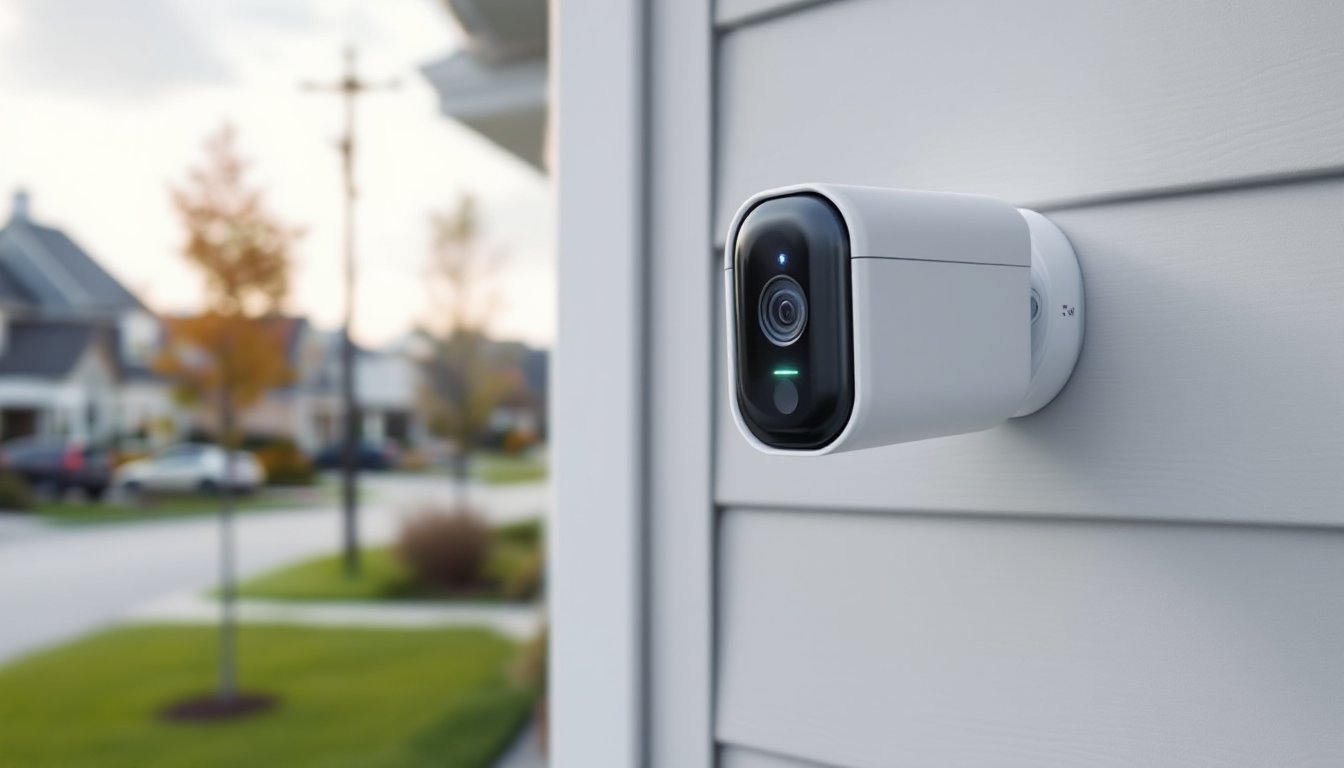
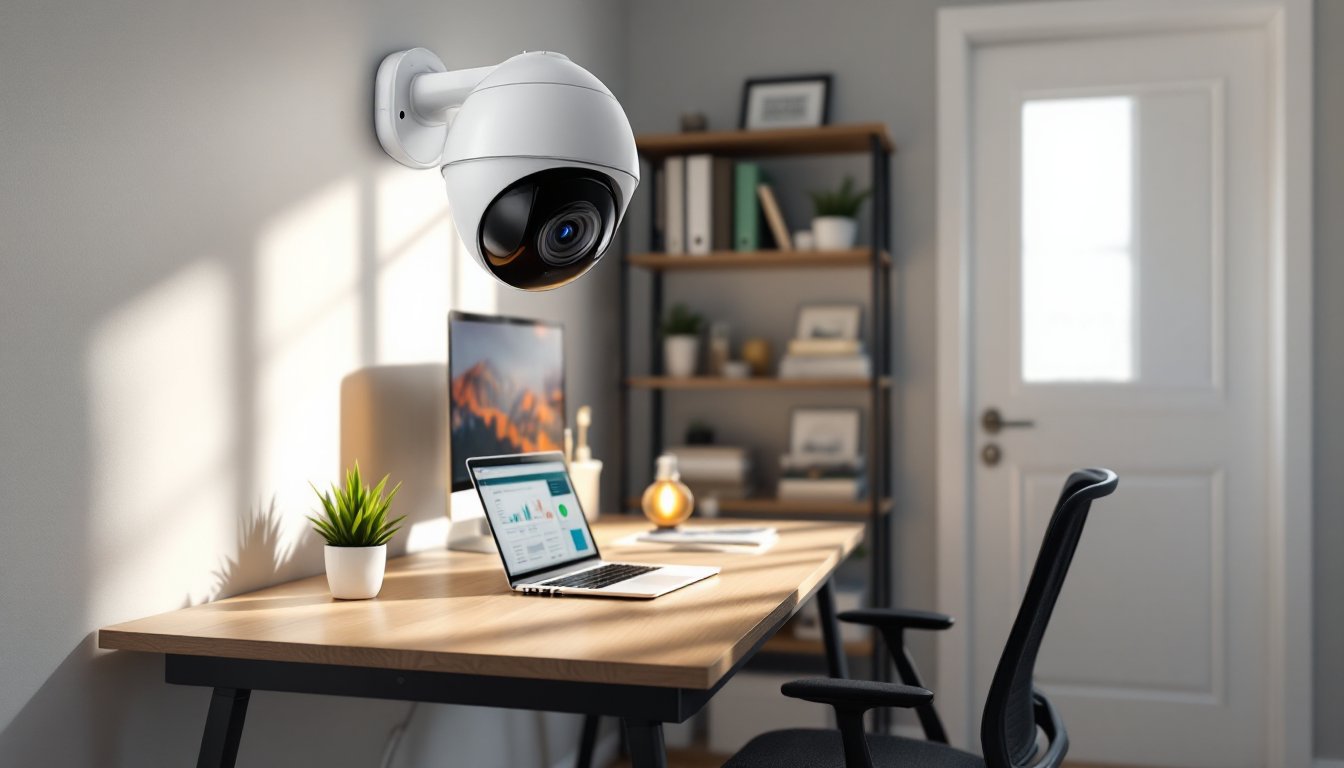
Cameras serve two purposes: they deter criminals and record evidence. Outdoor cameras should cover entry points like front doors, back doors, and garage areas. Indoor cameras add an extra layer of protection for valuables.
Control Panel or Hub
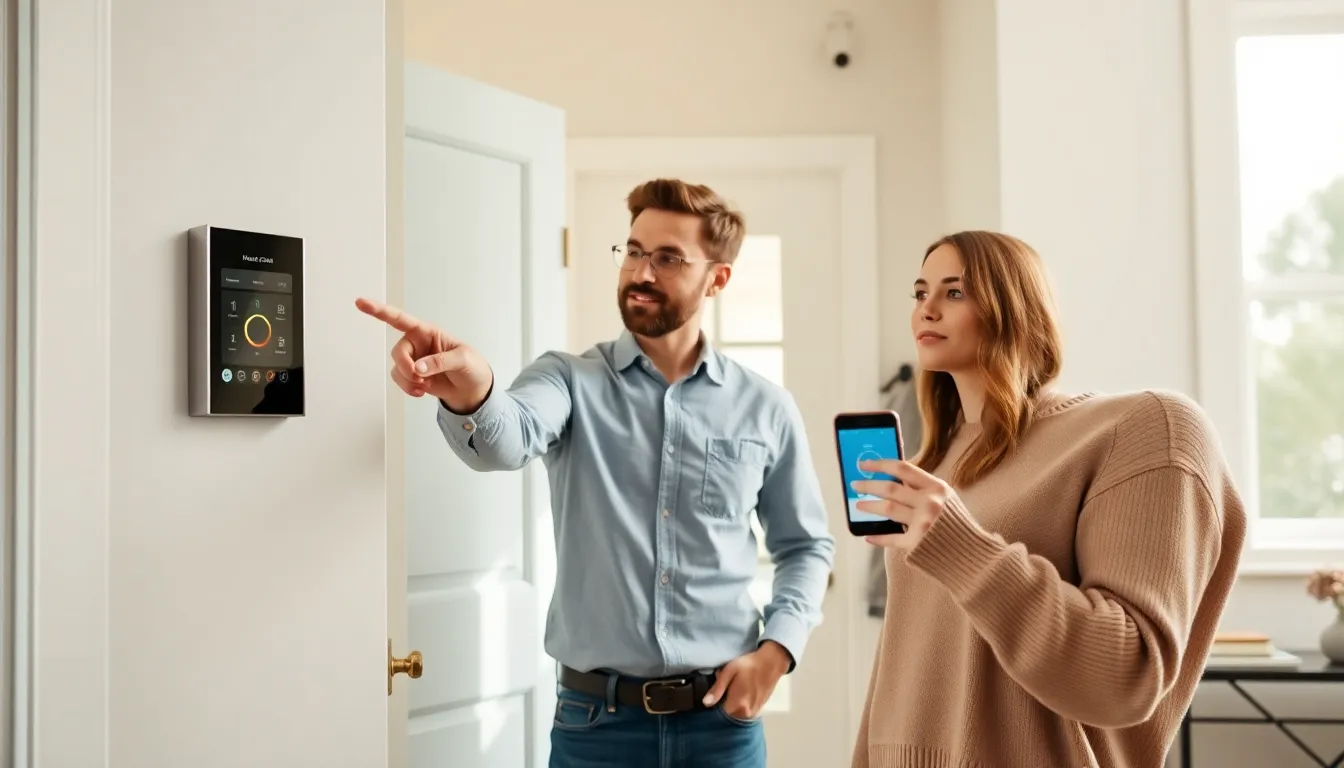
The control panel acts as the brain of the system. It connects all sensors and cameras, allowing users to arm or disarm the system. Modern panels often include touchscreens and voice control features.
Professional Monitoring (Optional)
Some homeowners prefer 24/7 professional monitoring services. These companies watch for alerts and contact emergency services when needed. Monthly fees typically range from $15 to $50.
For those just starting with home security, a basic package with door sensors, one or two cameras, and a central hub provides solid protection without very costly.
Simple Steps to Secure Your Home Today
Improving home security doesn’t require waiting for equipment to arrive. These steps can be completed today:
1. Assess Entry Points
Walk around the property and identify every door and window. Check for weak locks, broken latches, or damaged frames. Ground-floor windows and doors leading to backyards deserve extra attention since they’re common entry points.
2. Upgrade Locks
Deadbolt locks should be on every exterior door. Grade 1 or Grade 2 deadbolts offer the best protection. Smart locks add convenience and allow homeowners to monitor who enters and when.
3. Improve Outdoor Lighting
Burglars prefer darkness. Motion-activated lights around entry points and along walkways eliminate hiding spots. Solar-powered options make installation easy and keep electricity costs low.
4. Trim Landscaping
Overgrown bushes near windows provide cover for intruders. Keep shrubs trimmed below window height. Trees with branches near second-floor windows should also be addressed.
5. Create the Appearance of Occupancy
Timers on indoor lights make a home look occupied even when it’s empty. Smart plugs allow homeowners to control lamps remotely. Never announce vacations on social media, that’s an open invitation to burglars.
6. Get to Know Neighbors
Neighborhood watch programs work. Neighbors who know each other notice when something seems off. They can collect packages, park in driveways, and report suspicious activity.
These home security basics cost little but provide real protection. They’re perfect starting points for beginners who want to improve safety before investing in technology.
Common Home Security Mistakes to Avoid
Even well-intentioned homeowners make security errors. Here are the most frequent mistakes beginners should avoid:
Hiding Keys Outside
Burglars know all the hiding spots, under mats, inside fake rocks, above door frames. If a spare key is necessary, leave it with a trusted neighbor instead.
Ignoring the Garage
Garages often contain valuable tools and provide direct access to the home. They need the same attention as front doors. A garage door sensor and interior door lock are essential.
Posting Security System Signs Without Having One
Fake security signs might seem clever, but experienced burglars recognize them. If they call the bluff, there’s no backup. It’s better to invest in actual home security equipment.
Forgetting About Sliding Doors
Sliding glass doors are easy to force open. A simple security bar or dowel in the track prevents this. Aftermarket locks add another layer of protection.
Leaving Valuables Visible
Expensive electronics, jewelry, or cash visible through windows attract attention. Close blinds at night and avoid placing valuables where they can be seen from outside.
Neglecting System Maintenance
Batteries die. WiFi connections drop. Cameras get dirty. A home security system only works if it’s maintained. Set calendar reminders to test equipment monthly.
Avoiding these mistakes helps beginners get the most from their home security efforts.