Table of Contents
ToggleHome security ideas matter more than ever. Burglaries happen every 25.7 seconds in the United States, according to FBI crime data. That’s a sobering number for any homeowner or renter.
The good news? Most break-ins are preventable. Criminals look for easy targets. They want unlocked doors, dark yards, and homes that appear unoccupied. A few smart changes can make your property far less appealing to would-be intruders.
This guide covers practical home security ideas that actually work. From reinforcing entry points to building better daily habits, these strategies protect both property and peace of mind. No expensive overhauls required, just effective solutions that fit real budgets and real lives.
Key Takeaways
- Reinforcing doors and windows with Grade 1 deadbolts and metal strike plates is one of the most cost-effective home security ideas available.
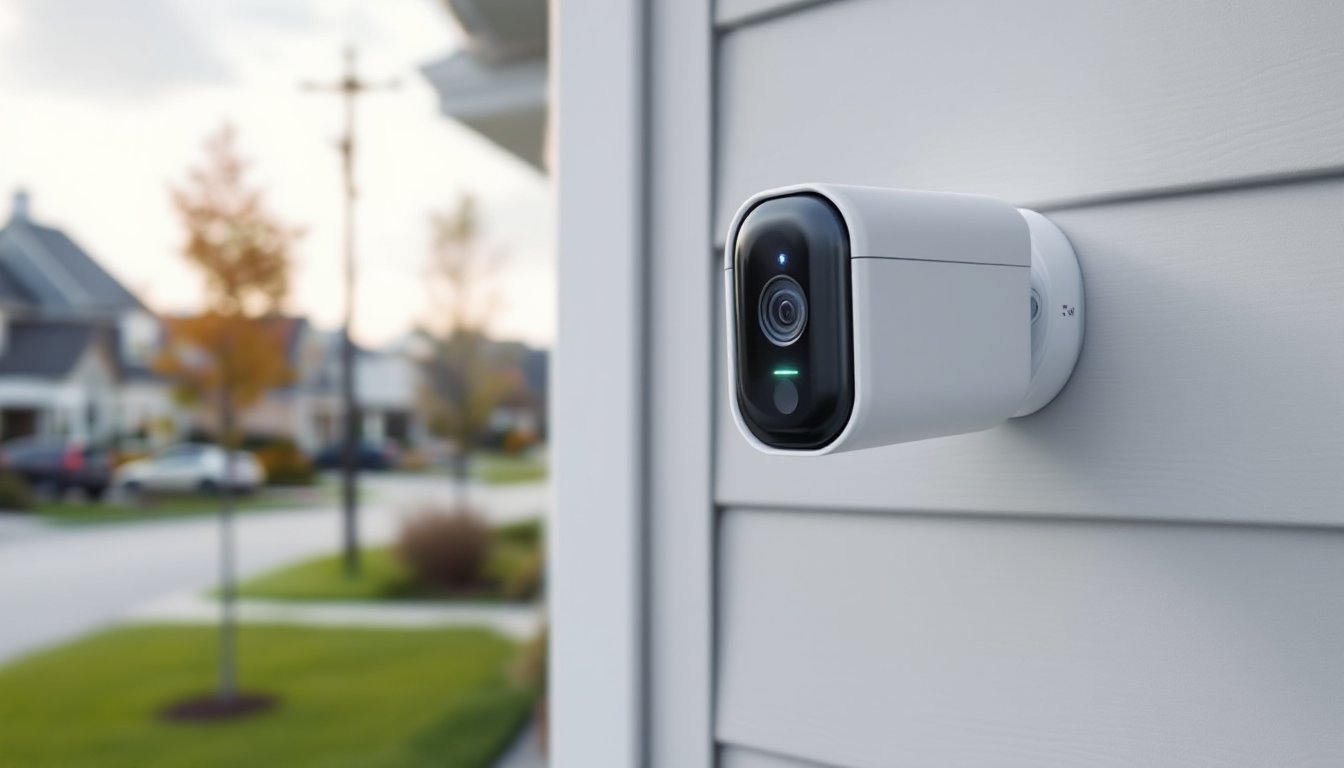
- Smart security systems with remote access let you monitor cameras, lock doors, and receive real-time alerts from anywhere.
- Motion-activated outdoor lighting eliminates hiding spots and startles intruders, making your property a less attractive target.
- Visible deterrents like security signs, cameras, and trimmed landscaping discourage criminals before they attempt a break-in.
- Simple daily habits—like locking doors every time and keeping valuables out of sight—prevent nearly 30% of burglaries.
- Building relationships with neighbors creates a community watch network that makes your home much harder to target.
Strengthen Entry Points Throughout Your Home
Doors and windows serve as the primary access points for burglars. Strengthening these areas creates a solid first line of defense.
Upgrade Your Door Hardware
Standard door locks aren’t enough. A Grade 1 deadbolt provides significantly more resistance than basic locks. The bolt should extend at least one inch into the door frame.
Door frames themselves often fail before locks do. Metal strike plates with 3-inch screws anchor deep into the wall studs, not just the flimsy door jamb. This simple upgrade costs under $20 and takes 15 minutes to install.
Don’t forget about the door itself. Solid wood or metal doors resist kicking far better than hollow-core alternatives.
Secure Your Windows
Ground-floor windows need extra attention. Window locks should be tested regularly, many fail over time or were installed improperly. Pin locks add another layer of security for double-hung windows.
Sliding glass doors present a common weak spot. A metal rod or wooden dowel in the track prevents the door from being forced open, even if the lock fails. Glass break sensors alert homeowners instantly if someone attempts entry through a window.
Reinforcing entry points remains one of the most cost-effective home security ideas available. These improvements often deter criminals before they even attempt a break-in.
Install a Smart Security System
Modern security systems offer features that weren’t available just a decade ago. Smart technology puts monitoring capabilities directly into homeowners’ hands.
What to Look For
A quality smart security system includes several core components:
- Motion sensors detect movement inside and around the home
- Door and window sensors trigger alerts when entry points open
- Video doorbells show who’s at the door from anywhere
- Indoor and outdoor cameras record activity 24/7
- Professional monitoring (optional) provides emergency response
Wireless systems eliminate the need for extensive wiring. Most homeowners can install them without professional help.
The Remote Access Advantage
Smartphone integration changes the game. Homeowners can check cameras, lock doors, and receive alerts from work, vacation, or anywhere with internet access. Real-time notifications arrive the moment something unusual happens.
Two-way audio on many cameras and doorbells allows direct communication with visitors, or would-be intruders. This feature has proven particularly effective at deterring package thieves.
Monthly monitoring costs range from $10 to $50 depending on the service level. Many insurance companies offer discounts for monitored systems, offsetting some of the expense.
Smart security systems represent a significant step up from traditional alarms. They provide both prevention and documentation if an incident does occur.
Use Strategic Outdoor Lighting
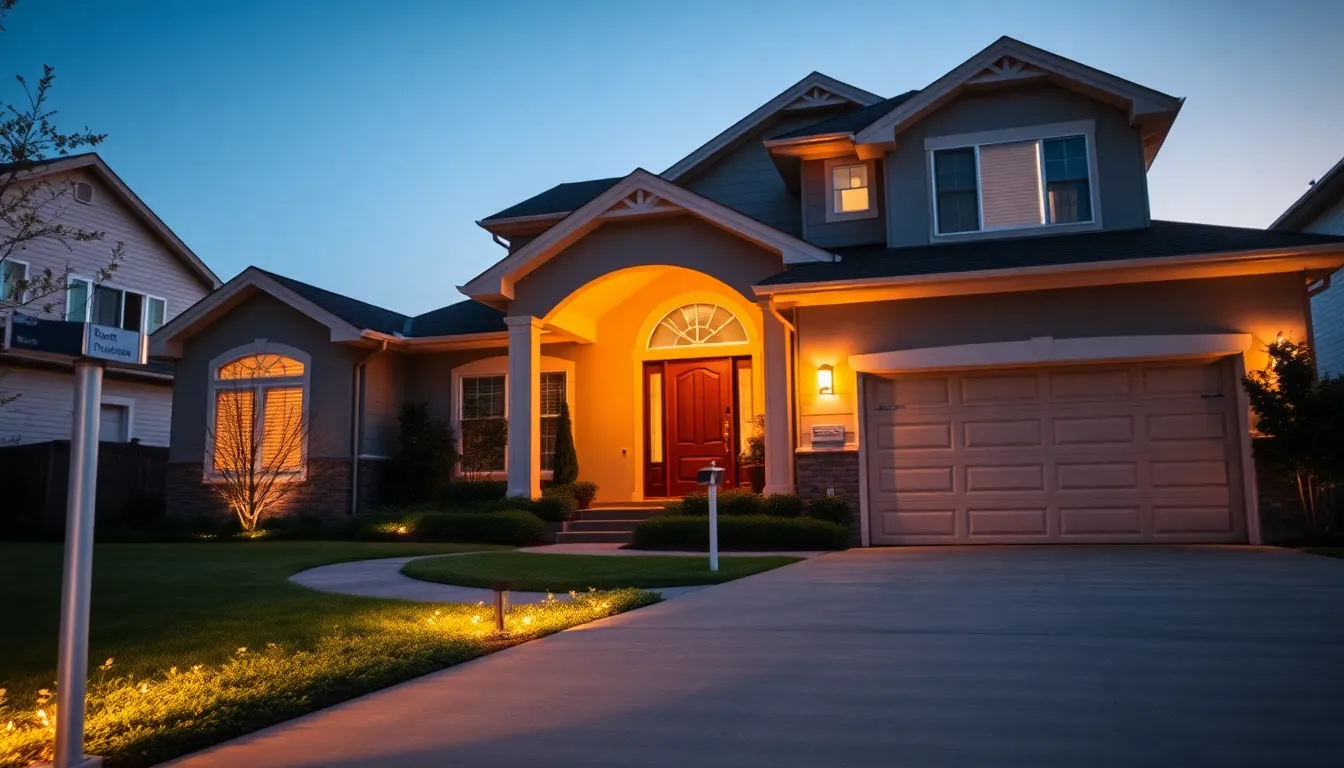
Criminals prefer darkness. Strategic outdoor lighting eliminates the shadows they rely on and makes your property a less attractive target.
Motion-Activated Lights
Motion-sensor lights startle intruders and draw attention to suspicious activity. They’re more effective than lights that stay on constantly because the sudden illumination creates an element of surprise.
Place motion lights at:
- Front and back doors
- Garage entrances
- Side yards and alleys
- Near basement windows
- Along driveways and walkways
LED options use minimal electricity while providing bright illumination. Many motion lights now connect to smart home systems for remote control and scheduling.
Landscape Lighting
Path lights and accent lighting serve dual purposes. They improve curb appeal while eliminating hiding spots near the home. Solar-powered options require no wiring and cost little to operate.
Timers keep interior lights active when no one’s home. Smart bulbs can randomize schedules, making the house appear occupied even during extended vacations.
These home security ideas cost relatively little but deliver significant results. A well-lit property signals that someone is paying attention, exactly what burglars want to avoid.
Add Visible Deterrents to Discourage Intruders
Visibility matters in home security. Obvious security measures make criminals think twice before targeting a property.
Security Signs and Stickers
Security company signs and window stickers work even without an active system. Studies show that visible warnings reduce break-in attempts. Burglars prefer homes without any security indicators.
Place signs near entry points and along property lines. Window stickers should be visible from the street.
Cameras in Plain Sight
Visible cameras send a clear message: this property is being watched. Criminals know footage could identify them or provide evidence for prosecution.
Dummy cameras cost less than real ones, though functional cameras provide actual documentation if something happens. A combination of visible and hidden cameras offers both deterrence and evidence collection.
Landscaping for Security
Overgrown bushes near windows create hiding spots. Keep shrubs trimmed below window height. Thorny plants like roses or barberry under windows discourage anyone from lurking there.
Fences and gates create physical barriers. Even short decorative fencing signals property boundaries and adds another obstacle for intruders.
Dogs also serve as effective deterrents. Even a small dog that barks at strangers draws unwanted attention to criminal activity.
Practice Smart Daily Habits for Better Security
Equipment alone doesn’t create security. Daily habits determine whether home security ideas actually protect a household.
Lock Everything, Every Time
This sounds obvious, but unlocked doors and windows account for a surprising number of break-ins. Nearly 30% of burglars enter through an unlocked door or window. Make locking up a non-negotiable routine.
Check locks before bed and when leaving the house. Smart locks with auto-lock features eliminate the need to remember.
Manage What’s Visible from Outside
Expensive electronics visible through windows attract attention. Keep valuables out of sight from the street. Break down boxes from new purchases immediately, a TV box on the curb advertises what’s inside the home.
Close blinds and curtains at night. Criminals often case neighborhoods before targeting specific homes.
Be Careful with Social Media
Posting vacation photos in real-time announces an empty house. Wait until after returning to share travel content. Location check-ins reveal when no one’s home.
Build Community Connections
Neighbors who know each other watch out for each other. Exchange phone numbers and report suspicious activity. Someone collecting packages, checking on the house, and varying routines during vacations makes a property much harder to target.
These habits cost nothing but require consistency. They complement every other home security measure.