Table of Contents
ToggleLearning how to home office effectively can transform productivity and work-life balance. Remote work has become a permanent fixture for millions of professionals, yet many still struggle with makeshift setups that hurt their focus and comfort. A well-designed home office does more than provide a desk, it creates a dedicated space where real work happens. This guide covers everything from choosing the right location to establishing routines that keep distractions at bay. Whether someone is working remotely full-time or splitting days between home and a traditional office, these practical steps will help create a workspace that actually works.
Key Takeaways
- Choose a dedicated space with natural light, low noise, and proper electrical access to create an effective home office.
- Invest in an ergonomic chair and appropriately sized desk—these form the foundation of a comfortable, productive workspace.
- Add a second monitor to boost productivity by up to 20-30% and reduce time spent switching between tasks.
- Combine natural and artificial lighting to prevent eye strain and maintain energy throughout the workday.
- Set clear working hours and create transition rituals to establish boundaries between work and personal time.
- Minimize distractions by using noise-canceling headphones, keeping your phone out of reach, and maintaining an organized, clutter-free desk.
Choosing the Right Space
The first step in setting up a home office is selecting the right location. Not everyone has a spare room available, but that’s okay. The goal is to find a spot that offers some separation from daily household activities.
A spare bedroom makes an ideal home office because it provides privacy and a door that closes. This physical barrier helps signal to others, and to the brain, that work mode is on. But, a corner of the living room, a converted closet, or even a section of the basement can work just as well with proper planning.
Consider these factors when choosing a space:
- Natural light: Rooms with windows reduce eye strain and boost mood. Position the desk so sunlight doesn’t create glare on screens.
- Noise levels: Avoid high-traffic areas if possible. A space near the kitchen might seem convenient, but constant interruptions will hurt focus.
- Size requirements: The space needs to fit essential furniture comfortably. A cramped setup leads to discomfort and frustration.
- Electrical access: Remote work requires power for computers, monitors, and charging devices. Check that outlets are nearby.
For those in small apartments, creativity becomes essential. A fold-down wall desk can convert any wall into a functional workspace. Room dividers or curtains can create visual separation in open floor plans. The key is consistency, using the same spot every day helps the brain associate that location with work.
Essential Equipment and Furniture
A functional home office requires the right equipment and furniture. Cutting corners here often leads to discomfort, health issues, and reduced productivity over time.
The Desk
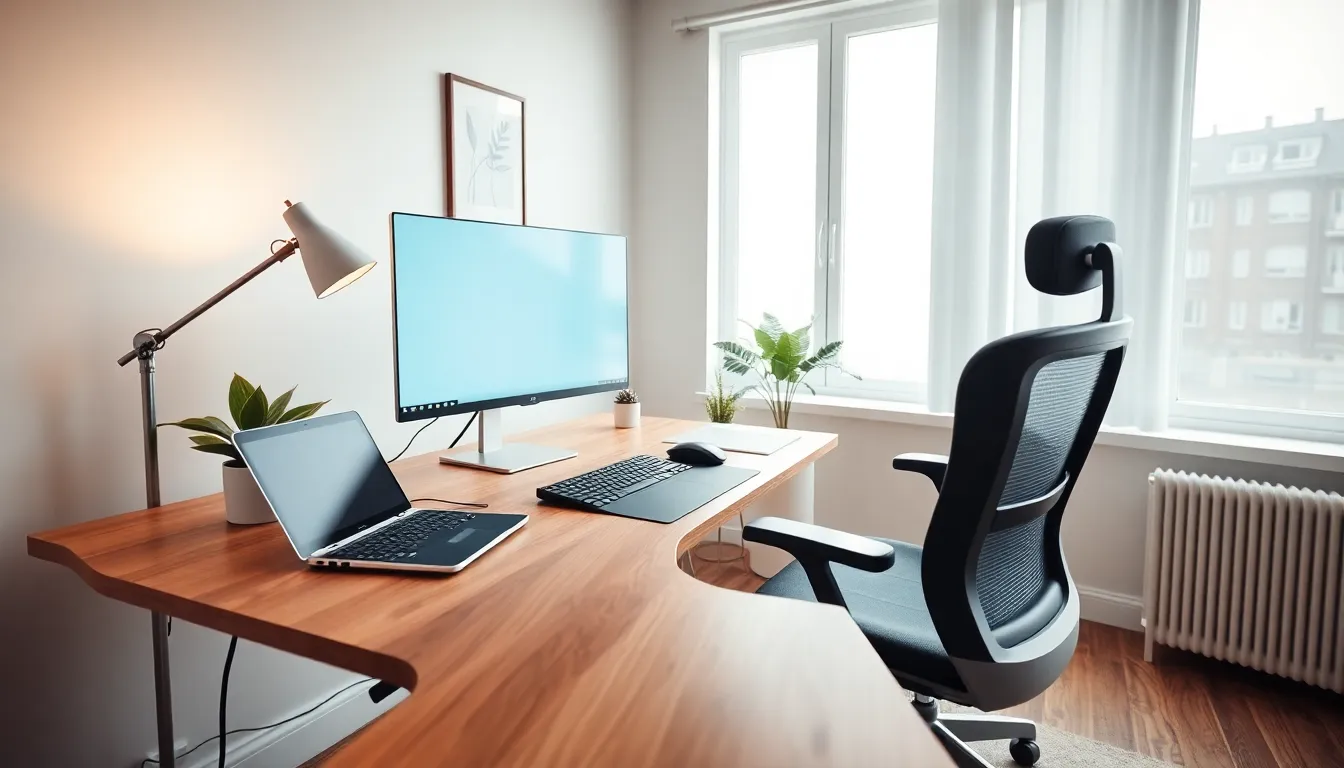
The desk serves as the foundation of any home office. It should be large enough to hold a computer, keyboard, and any materials needed for daily tasks. Standard desk height falls between 28 and 30 inches, which works for most people. Adjustable standing desks have gained popularity because they allow users to alternate between sitting and standing throughout the day.
The Chair
An ergonomic chair is arguably the most important investment. The average remote worker spends 6 to 8 hours sitting each day. A quality chair with lumbar support, adjustable height, and armrests prevents back pain and promotes good posture. Budget options exist, but spending a bit more on seating pays dividends in comfort and health.
Technology Essentials
Every home office needs reliable technology:
- Computer or laptop: Choose based on job requirements. Creative professionals may need more processing power than those handling documents and email.
- External monitor: A second screen increases productivity by up to 20-30% according to multiple studies. It reduces time spent switching between windows.
- Quality webcam and microphone: Video calls have become standard. Built-in laptop cameras often produce poor results compared to dedicated webcams.
- High-speed internet: Slow connections cause frustration and missed deadlines. Consider upgrading the plan or using a wired ethernet connection for stability.
Additional Items
Don’t overlook smaller items that improve the home office experience. A good desk lamp provides task lighting. Cable management solutions keep wires organized. A comfortable keyboard and mouse reduce strain during long work sessions.
Creating a Productive Environment
Setting up a home office goes beyond furniture and equipment. The environment itself affects focus, energy, and output quality.
Lighting Matters
Poor lighting causes headaches and eye fatigue. The ideal setup combines natural light with artificial sources. Position the desk perpendicular to windows to avoid glare and harsh shadows. Add a desk lamp for task lighting and consider overhead lighting for general illumination. Warm white bulbs (2700K-3000K) create a comfortable atmosphere without feeling clinical.
Temperature and Air Quality
A room that’s too hot or cold makes concentration difficult. Most people work best in temperatures between 68 and 72 degrees Fahrenheit. If the home office lacks climate control, a small space heater or fan can help. Plants improve air quality and add visual appeal, studies show they can boost productivity by up to 15%.
Minimize Distractions
The home environment comes with built-in distractions: TV, pets, family members, household chores that seem urgent. Here’s how to fight back:
- Use noise-canceling headphones to block ambient sounds
- Keep the phone in another room or use app blockers during focus time
- Close unnecessary browser tabs and disable non-essential notifications
- Face the desk away from distractions like windows overlooking busy streets
Personalize Thoughtfully
A sterile environment feels uninspiring. Add personal touches like artwork, photos, or items that spark motivation. But don’t overdo it, clutter creates mental noise. Keep the workspace organized with only essential items visible. A clean desk promotes clear thinking.
Establishing Boundaries and Routines
The physical home office setup matters, but habits determine long-term success. Without clear boundaries, work bleeds into personal time and burnout follows.
Set Working Hours
Remote workers often struggle with overwork more than underwork. Define specific start and end times for the workday. Communicate these hours to household members and colleagues. When the workday ends, leave the home office and resist checking email until the next morning.
Create Transition Rituals
Commuting to a traditional office provides a mental transition between home and work. Remote workers need to create their own rituals. This might include:
- A morning walk around the block before starting work
- Changing from pajamas into “work clothes” (even casual ones)
- Making coffee and reviewing the day’s priorities
- A specific activity that signals the workday has ended
These small actions help the brain shift between work mode and personal time.
Communicate With Household Members
Family and roommates need to understand when interruptions are acceptable. Establish signals, a closed door, headphones on, or a specific “do not disturb” sign, that indicate focused work time. Schedule breaks to address household needs rather than allowing constant interruptions.
Take Real Breaks
Working from a home office makes it easy to skip breaks entirely. This hurts productivity over time. The Pomodoro Technique, 25 minutes of focused work followed by a 5-minute break, works well for many people. Use breaks to move around, stretch, or step outside. Avoid spending break time scrolling social media at the desk.