Table of Contents
ToggleFinding the best home security system matters more than ever. Property crimes remain a concern for homeowners across the country, and the right security setup provides peace of mind while deterring potential intruders. Modern home security options range from basic door sensors to fully integrated smart systems with cameras, alarms, and 24/7 monitoring.
This guide breaks down everything homeowners need to know about home security systems. It covers the main types available, the features worth paying for, and how to decide between DIY installation and professional setup. By the end, readers will have a clear picture of what best home security looks like for their specific situation.
Key Takeaways
- The best home security system depends on your property size, lifestyle, and budget—there’s no one-size-fits-all solution.
- Monitored systems offer 24/7 protection with professional response, while unmonitored systems save on monthly fees but require self-management.
- Essential features to prioritize include motion sensors, door/window sensors, security cameras with night vision, and mobile app control.
- DIY installation works well for most homeowners seeking affordable, flexible home security, while professional setup suits complex properties.
- Smart home security systems integrate with voice assistants and apps, letting you control locks, cameras, and sensors from anywhere.
- Always check contract terms, read customer reviews, and verify smart device compatibility before committing to a security provider.
Types of Home Security Systems
Home security systems come in several forms, each suited to different needs and budgets. Understanding these categories helps homeowners make informed decisions.
Monitored Security Systems
Monitored systems connect to a central monitoring station. When sensors detect a break-in, fire, or other emergency, the station contacts the homeowner and dispatches emergency services if needed. This option provides around-the-clock protection but requires a monthly subscription fee, typically ranging from $15 to $50.
Unmonitored Security Systems
Unmonitored systems rely on loud alarms, smartphone alerts, or both. They cost less to operate since there’s no monthly fee, but homeowners must respond to alerts themselves. These work well for people who want basic home security without ongoing costs.
Wireless Security Systems
Wireless systems use Wi-Fi and cellular signals to connect components. They’re easier to install and relocate, making them popular with renters. Most modern best home security setups fall into this category.
Wired Security Systems
Wired systems connect through physical cables. They’re more reliable in areas with poor internet connectivity and aren’t affected by power outages when paired with backup batteries. But, installation takes more effort and typically requires professional help.
Smart Home Security Systems
Smart systems integrate with voice assistants like Alexa or Google Home. They allow homeowners to control locks, cameras, lights, and thermostats from a single app. This integration creates a connected ecosystem that enhances overall home security.
Key Features to Look for in a Home Security System
Not all home security systems offer the same features. Some components prove essential, while others depend on individual preferences.
Motion Sensors
Motion sensors detect movement inside or outside the home. The best home security systems include adjustable sensitivity settings to reduce false alarms from pets or tree branches.
Door and Window Sensors
These sensors trigger alerts when entry points open unexpectedly. They form the foundation of most security setups and should cover all accessible doors and windows.
Security Cameras
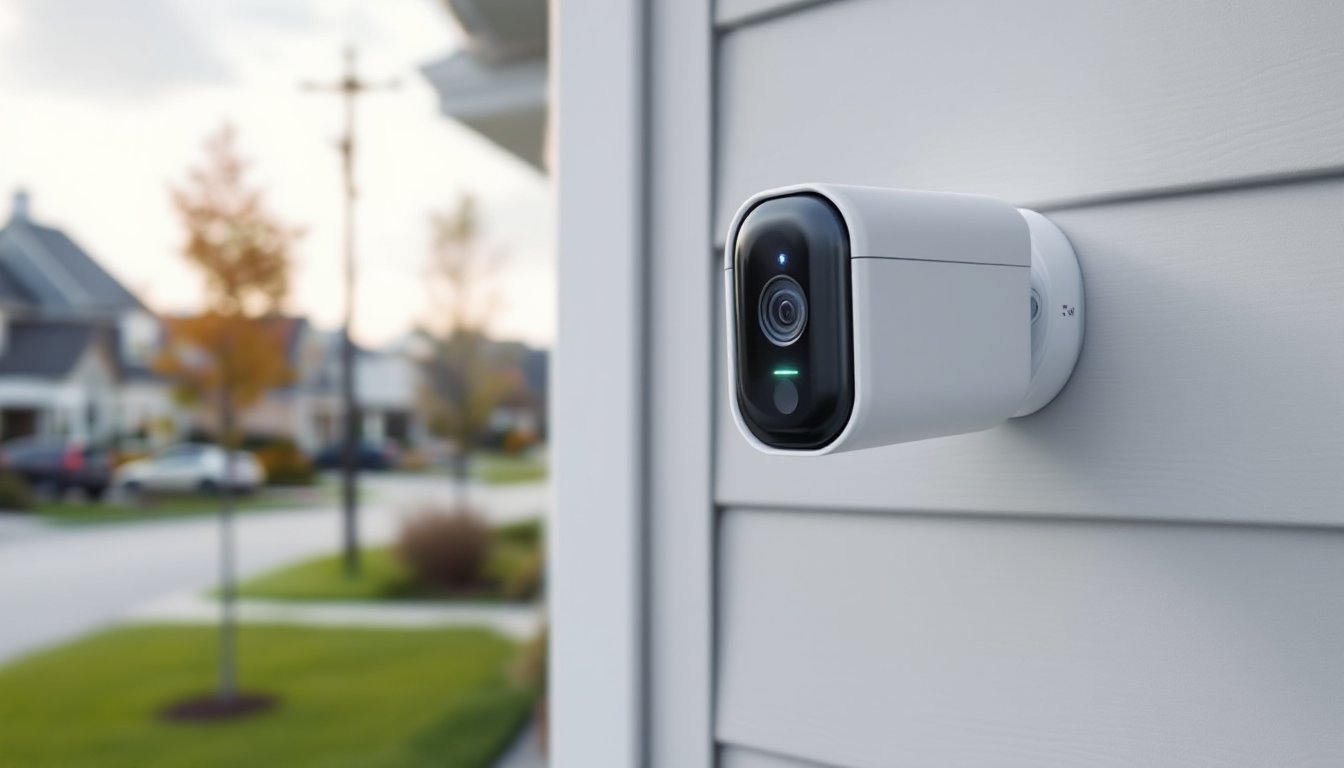
Cameras provide visual verification of alerts and record footage for later review. Look for systems with high-definition video, night vision, and cloud storage options. Some cameras also feature two-way audio for communicating with visitors or scaring off intruders.
Smart Locks
Smart locks allow keyless entry through codes, fingerprints, or smartphone apps. They let homeowners lock and unlock doors remotely and grant temporary access to guests or service providers.
Environmental Sensors
The best home security extends beyond break-ins. Smoke detectors, carbon monoxide sensors, and water leak detectors protect against fires, gas leaks, and flooding. Many systems integrate these sensors into the main control panel.
Mobile App Control
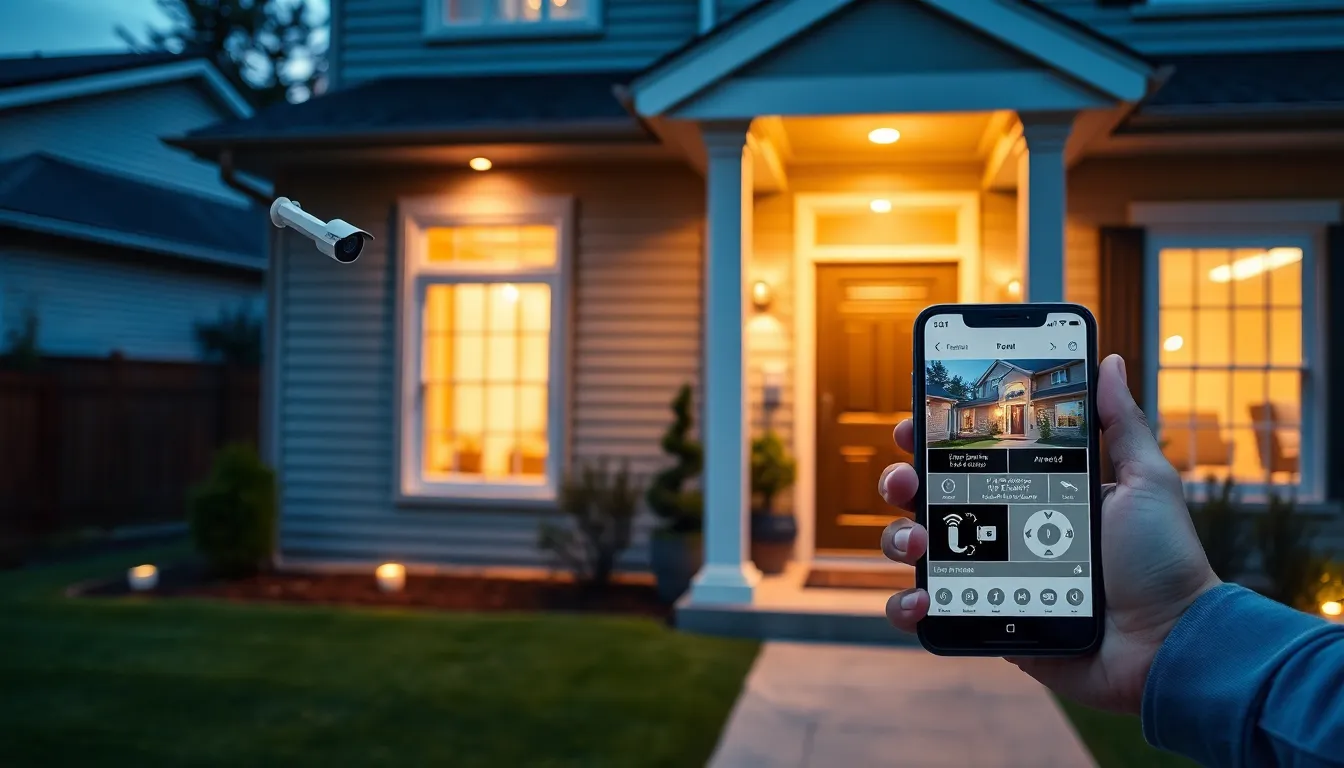
A quality mobile app lets homeowners arm and disarm systems, view camera feeds, and receive real-time alerts from anywhere. This feature has become standard in modern home security packages.
Professional Monitoring
While optional, professional monitoring adds an extra layer of protection. Monitoring stations respond even when homeowners can’t check their phones.
DIY vs. Professional Installation
Homeowners face a choice between installing systems themselves or hiring professionals. Both approaches have clear advantages.
DIY Installation
DIY home security systems ship with pre-configured components. Homeowners simply mount sensors, plug in the hub, and connect everything through an app. Setup typically takes one to three hours.
The benefits include lower upfront costs, no installation fees, and flexibility to add or move components later. DIY systems also work well for renters who need to remove equipment when moving.
But, DIY installation requires some technical comfort. Mistakes in sensor placement can create security gaps or trigger frequent false alarms.
Professional Installation
Professional installers assess the home’s layout and recommend optimal sensor placement. They handle all wiring for hardwired systems and ensure everything works correctly before leaving.
This option suits homeowners who want guaranteed proper setup or those with large properties requiring many components. Professional installation typically costs $100 to $200 but may be included with certain monitoring contracts.
The downside? Less flexibility. Some professionally installed systems lock customers into long-term contracts, and moving equipment often requires another service visit.
Which Is Better?
For most homeowners seeking the best home security value, DIY systems deliver excellent protection at lower costs. Those with complex requirements or limited technical skills may prefer professional installation.
How to Choose the Right System for Your Home
Selecting the best home security system requires evaluating several factors specific to each situation.
Assess Your Property
Start by counting entry points. A small apartment might need just a few door and window sensors, while a large house requires more extensive coverage. Note areas with poor lighting or hidden access points that could benefit from cameras or motion-activated lights.
Consider Your Lifestyle
Frequent travelers benefit from professional monitoring and remote camera access. Families with children might prioritize easy arming and disarming. Pet owners should look for motion sensors with pet-immune settings.
Set a Budget
Home security costs include equipment, installation, and ongoing monitoring. Budget-friendly options start around $200 for basic equipment with no monthly fees. Premium systems with professional monitoring can cost $400 or more upfront plus $30 to $50 monthly.
Check Compatibility
Homeowners with existing smart devices should verify compatibility. The best home security systems integrate smoothly with popular platforms like Amazon Alexa, Google Home, and Apple HomeKit.
Read Reviews and Compare
Customer reviews reveal real-world performance issues that specs don’t show. Pay attention to comments about app reliability, customer service quality, and false alarm rates.
Ask About Contracts
Some companies require multi-year monitoring contracts with cancellation fees. Others offer month-to-month plans that provide flexibility. Understanding these terms prevents unwanted surprises later.