Table of Contents
ToggleHome security tips matter more than most people realize. A burglary occurs every 25.7 seconds in the United States, according to FBI crime statistics. That’s roughly 3,370 break-ins every single day. The good news? Most burglars are opportunists. They look for easy targets, unlocked doors, dark yards, and homes that appear unoccupied. A few strategic changes can make your property far less appealing to criminals.
This guide covers practical home security tips that work. From reinforcing entry points to using smart technology, these steps help homeowners create multiple layers of protection. The goal isn’t to turn your house into a fortress. It’s to make breaking in more trouble than it’s worth.
Key Takeaways
- Reinforce doors with 3-inch screws and deadbolt locks to prevent forced entry—34% of burglars enter through the front door.
- Install motion-activated lights near all entry points, as darkness helps criminals avoid detection.
- Video doorbells and visible security cameras deter burglars, with unprotected homes being 300% more likely to be targeted.
- Never hide spare keys outside or announce vacations on social media, as burglars exploit these common mistakes.
- Build relationships with neighbors to create an informal watch network that notices suspicious activity around your home.
- Layer multiple home security tips together—combining reinforced entry points, smart technology, and good habits provides the strongest protection.
Secure All Entry Points
Doors and windows are the primary targets for intruders. According to security industry data, 34% of burglars enter through the front door. Another 23% use first-floor windows. These home security tips focus on reinforcing these vulnerable spots.
Strengthen Your Doors
A standard door jamb splits easily with one solid kick. Upgrading to a reinforced strike plate with 3-inch screws creates a much stronger barrier. The screws anchor into the wall stud instead of just the door frame.
Deadbolt locks should extend at least one inch into the frame. Smart locks add convenience and eliminate the risk of lost keys. Many models send alerts when someone enters, creating a log of who comes and goes.
Sliding glass doors present a unique challenge. A simple security bar or wooden dowel in the track prevents the door from being forced open. For extra protection, anti-lift pins stop thieves from removing the door from its track.
Protect Your Windows
Window locks often receive less attention than door locks. That’s a mistake. Reinforced window locks or pins make it much harder to pry open a window from outside.
Window film adds another layer of defense. This clear material holds glass together even when shattered, slowing down anyone trying to break in. Basement windows deserve special attention, they’re often hidden from view and easy to access. Window well covers and locks can secure these overlooked entry points.
Garage doors also need protection. A connected garage gives burglars direct access to your home. Timer-based automatic closers ensure the door never stays open accidentally.
Upgrade Your Lighting and Visibility
Darkness is a burglar’s best friend. Criminals avoid well-lit properties because they’re more likely to be seen. Strategic lighting is one of the most cost-effective home security tips available.
Motion-Activated Lights
Motion-sensor lights startle intruders and draw attention to suspicious activity. Install them near all entry points, along pathways, and in dark corners of the yard. LED bulbs last longer and cost less to operate than traditional options.
Solar-powered motion lights work well in areas without electrical access. They require no wiring and charge during the day.
Landscape for Security
Overgrown bushes near windows and doors create hiding spots. Keep shrubs trimmed below window height. Thorny plants like rose bushes or barberry under windows discourage anyone from getting too close.
Avoid tall privacy fences around the entire property. They actually help burglars by blocking neighbors’ view of your home. A visible backyard deters crime better than a hidden one.
Indoor Lighting Strategies
An empty-looking house attracts attention. Light timers create the appearance of activity when residents are away. Set them to turn on and off in different rooms throughout the evening.
Smart bulbs offer even more control. They can be programmed remotely or set to random patterns that mimic natural behavior. Some systems sync with sunrise and sunset times for a realistic effect.
Leverage Smart Security Technology
Modern home security tips increasingly involve connected devices. Smart technology has made professional-grade security accessible to average homeowners at reasonable prices.
Video Doorbells and Cameras
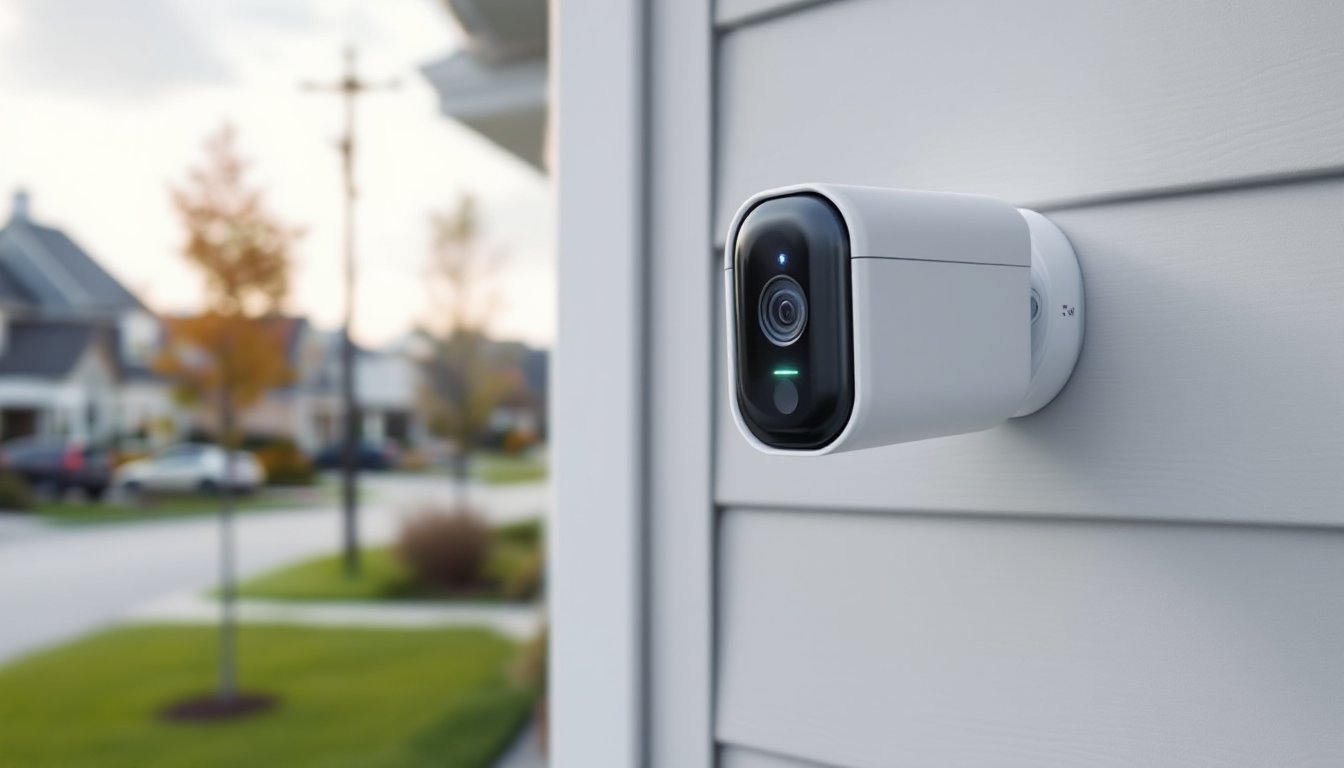
Video doorbells let residents see and speak with visitors remotely. The visible camera itself acts as a deterrent. Many burglars admit they avoid homes with visible cameras.
Outdoor security cameras should cover all entry points and blind spots. Look for models with night vision, motion detection, and cloud storage. Wired cameras offer reliability, while wireless options provide easier installation.
Position cameras at eye level when possible. This captures facial features more clearly than a high-mounted camera pointing down.
Alarm Systems
Monitored alarm systems alert authorities when triggered. Even unmonitored systems create loud deterrents that draw attention and prompt burglars to flee.
Door and window sensors detect when entry points open unexpectedly. Glass break sensors add protection by triggering when they detect the specific frequency of shattering glass.
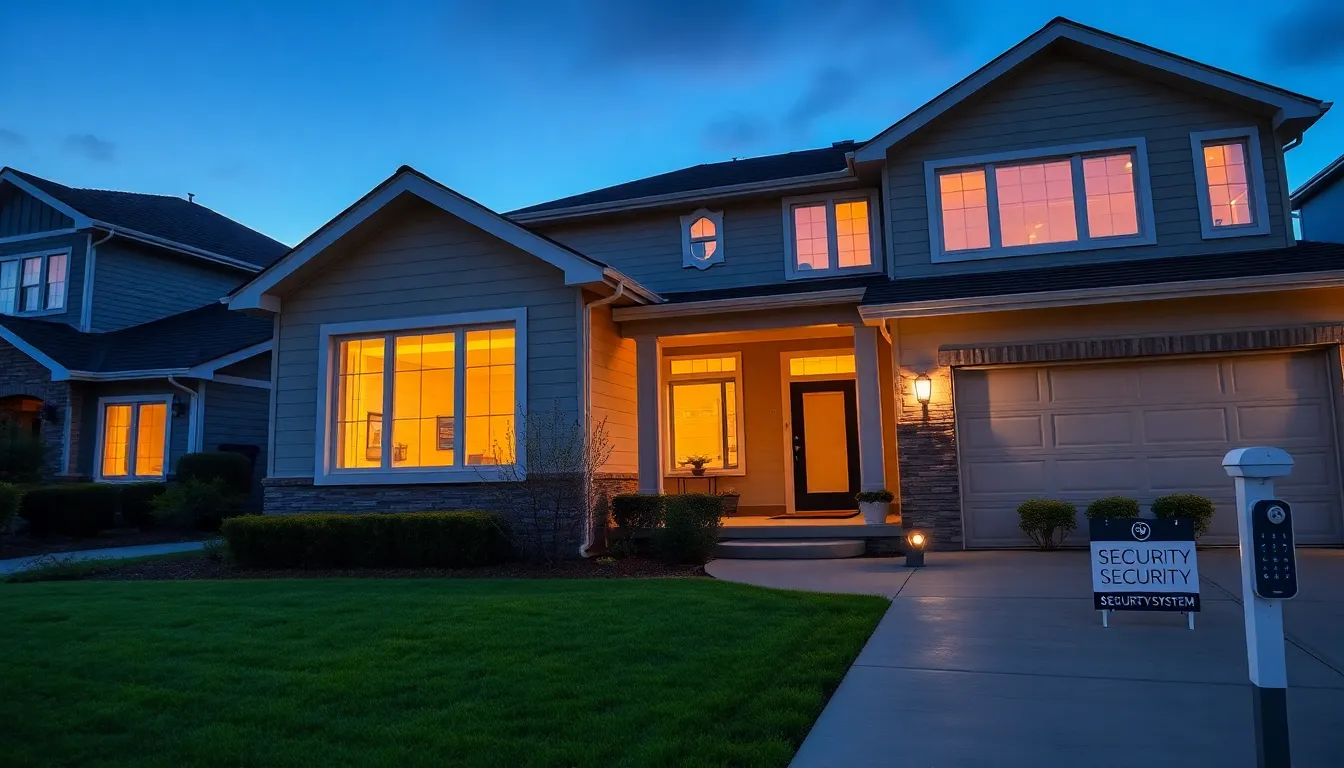
Yard signs and window stickers advertising an alarm system provide psychological deterrence. Research suggests homes without security systems are 300% more likely to be burglarized.
Smart Home Integration
Connected devices work together for better protection. Smart locks, cameras, and alarms can all link to a single app. When a camera detects motion, it can trigger lights to turn on and send an alert to your phone.
Voice assistants can control these systems hands-free. Some setups allow homeowners to arm the system, lock doors, and check cameras with simple voice commands.
Build a Security-Conscious Routine
Technology alone won’t keep a home safe. Daily habits play an equally important role. These home security tips focus on behavior changes that reduce risk.
Develop Good Habits
Lock all doors and windows every time, even when stepping out briefly. Set a routine for checking locks before bed. Many smart locks offer auto-lock features that engage after a set time.
Never hide spare keys outside. Burglars know all the common hiding spots. A trusted neighbor or smart lock with a code is far safer.
Avoid announcing vacations on social media. That post about your week in Hawaii tells thieves exactly when your home will be empty. Share the photos after you return.
Make Your Home Look Occupied
Ask a neighbor to collect mail and packages. A pile of deliveries signals an empty house. The postal service also offers mail hold for extended trips.
Keep a car in the driveway when possible. If everyone in the household will be away, ask a neighbor to park in your driveway occasionally.
Maintain the yard even during vacations. Overgrown grass is another sign that no one is home. Hire a lawn service or ask a neighbor to help.
Know Your Neighbors
Neighborhood watch programs reduce burglary rates significantly. Even informal connections with neighbors create a network of people who notice when something seems off.
Exchange phone numbers with immediate neighbors. They can alert you to suspicious activity and keep an eye on your property when you travel.