Table of Contents
ToggleThe best home office combines smart design with practical function. Remote work has become standard for millions of people, and the workspace at home directly affects daily output. A poorly planned setup leads to back pain, distraction, and wasted hours. A well-designed home office does the opposite, it supports focus, reduces fatigue, and makes work feel less like a chore.
This guide covers the essentials: choosing the right room, picking furniture that works, setting up proper lighting, and organizing everything for peak efficiency. Whether someone is converting a spare bedroom or carving out a corner in the living room, these best home office ideas will help create a space that actually works.
Key Takeaways
- The best home office starts with choosing a quiet location with strong Wi-Fi and natural light to boost focus and productivity.
- Invest $300–$600 in a quality ergonomic chair with lumbar support since you’ll spend 8+ hours daily in it.
- Layer three types of lighting—ambient, task, and accent—to reduce eye strain and maintain energy throughout the workday.
- Use cable management tools, vertical storage, and desk zones to keep your workspace clutter-free and organized.
- End each workday with a quick reset routine to clear your desk and prep for a smoother, more productive morning.
Choosing the Right Space for Your Home Office
Location matters more than most people realize. The best home office starts with the right spot in the house.
Consider Noise Levels
A quiet area reduces interruptions. Rooms far from the kitchen, front door, or shared living spaces work best. If the home has thin walls, adding a bookshelf or heavy curtains can dampen sound.
Natural Light Access
Rooms with windows offer free lighting during the day. Natural light reduces eye strain and improves mood. East-facing windows provide morning light without afternoon glare. West-facing rooms can get too hot in summer months.
Space Requirements
A dedicated room provides privacy and separation from household activity. Not everyone has that luxury. A corner of a bedroom or a closet conversion can work if the boundaries stay clear. The key is consistency, working from the same spot each day trains the brain to enter “work mode.”
Internet Connectivity
Weak Wi-Fi kills productivity. Test signal strength before committing to a location. A wired ethernet connection offers the most reliable speeds for video calls and large file transfers.
Essential Furniture for an Effective Workspace
Furniture shapes the daily experience. The best home office setup includes pieces that support the body and fit the workflow.
The Desk
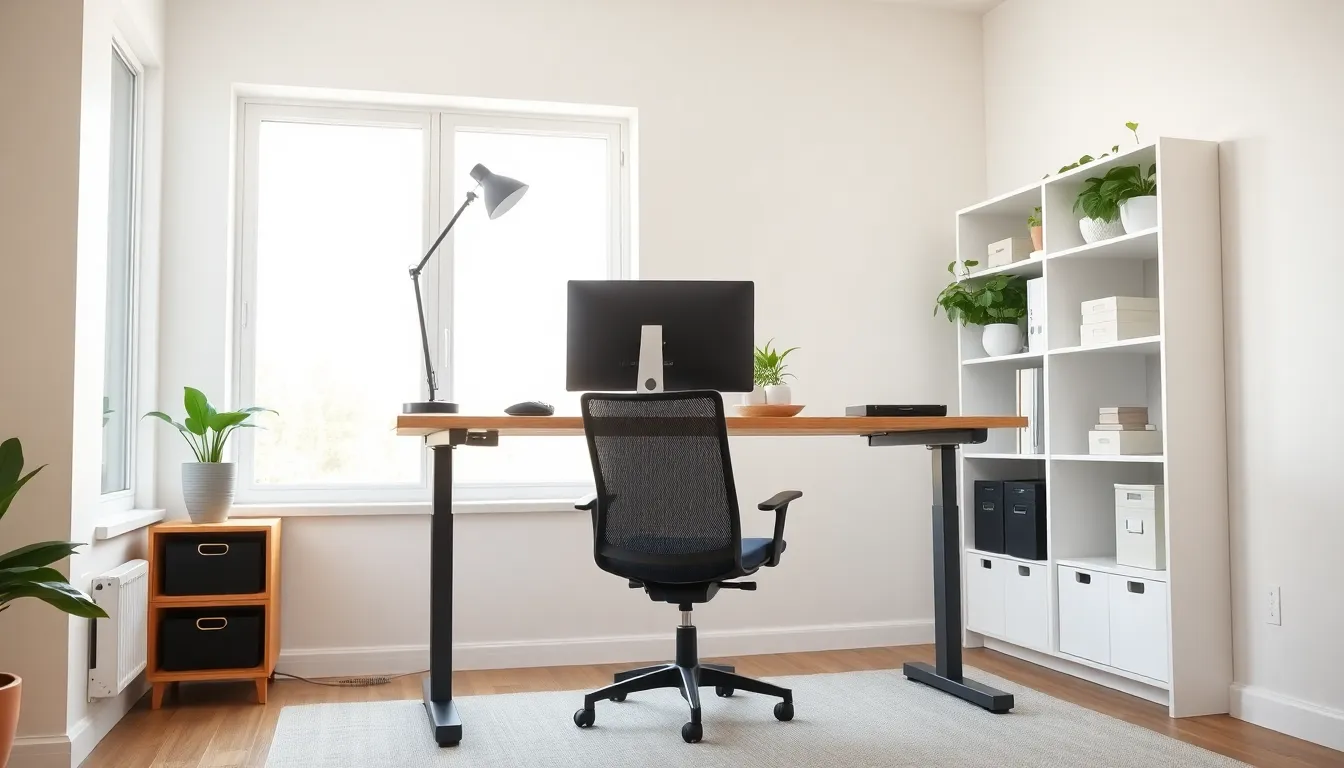
Desk size depends on work type. Writers and designers need surface area. People who use only a laptop can get by with less. Standing desks have gained popularity for good reason, alternating between sitting and standing reduces lower back strain. Adjustable-height models offer flexibility.
A depth of 24 to 30 inches accommodates most monitors at a healthy viewing distance. The height should allow arms to rest at a 90-degree angle while typing.
The Chair
Cheap office chairs cause problems over time. A good chair supports the lower back, allows seat height adjustment, and has breathable material. Lumbar support prevents slouching. Armrests should let shoulders stay relaxed.
Spending $300 to $600 on a quality chair is a smart investment. The body spends eight or more hours in it daily. That’s worth more than a trendy desk accessory.
Storage Solutions
Clutter distracts. Filing cabinets, drawer organizers, and shelving keep documents and supplies within reach but out of the way. Vertical storage makes the most of small spaces. A clean desk surface clears mental space too.
Lighting and Ambiance Tips
Poor lighting causes headaches and eye fatigue. The best home office balances multiple light sources for comfort throughout the day.
Layer Your Lighting
Three types of lighting create a functional workspace:
- Ambient lighting provides general illumination for the room
- Task lighting focuses on the work surface
- Accent lighting adds warmth and reduces harsh contrasts
A desk lamp with adjustable brightness handles task lighting. Overhead fixtures or floor lamps cover ambient needs. LED bulbs in the 4000K to 5000K range mimic daylight and support alertness.
Monitor Placement and Glare
Position screens perpendicular to windows to avoid glare. The monitor should sit at arm’s length, with the top of the screen at or slightly below eye level. Anti-glare screen filters help in rooms with unavoidable reflections.
Temperature and Air Quality
A comfortable room temperature hovers between 68°F and 72°F. Too warm and focus drifts. Too cold and typing becomes uncomfortable. A small fan or space heater offers personal control without adjusting the whole house.
Plants improve air quality and add visual interest. Snake plants, pothos, and peace lilies thrive indoors with minimal care.
Organizing Your Home Office for Maximum Efficiency
Organization separates productive workspaces from chaotic ones. The best home office runs on systems, not luck.
Declutter Regularly
Papers pile up. Old cables accumulate. A weekly five-minute cleanup prevents small messes from becoming overwhelming. If something hasn’t been used in three months, it probably belongs elsewhere.
Zone Your Workspace
Divide the desk into zones: one area for the computer, another for writing, a third for reference materials. This prevents searching for items mid-task. Everything has a home.
Cable Management
Tangled cords look messy and create tripping hazards. Cable trays, clips, and sleeves bundle wires neatly. Labeling cables at both ends saves time during troubleshooting.
Digital Organization
A clean desktop matters as much as a clean physical desk. Folder structures, consistent file naming, and regular backup routines keep digital work accessible. Cloud storage services like Google Drive or Dropbox provide access from any device.
Daily Rituals
Ending each workday with a quick reset, closing tabs, reviewing tomorrow’s tasks, clearing the desk, makes the next morning smoother. Small habits compound into major time savings over weeks and months.