Table of Contents
ToggleFrontpoint built its reputation on a simple premise: homeowners shouldn’t need an installer to drill holes in their walls or sign up for a three-year contract just to feel safe. In 2026, that DIY-first approach still sets it apart in a crowded security market. Unlike traditional systems that require professional wiring and high-pressure sales visits, Frontpoint ships equipment straight to your door with adhesive strips, intuitive wireless sensors, and a mobile app that handles most of the setup. For DIYers comfortable mounting a few sensors and following straightforward prompts, it’s worth a close look, but it’s not without trade-offs in pricing and flexibility.
Key Takeaways
- Frontpoint home security system offers DIY installation with wireless sensors and adhesive backing, eliminating the need for professional installers and wall drilling.
- The system includes mandatory 24/7 professional monitoring (starting at $49.99/month) with crash and smash protection and UL-listed redundant cellular and broadband connectivity.
- Equipment costs range from $300–$600 for starter packages, and the entire system is portable for renters or frequent movers with no transfer fees.
- Frontpoint integrates with Alexa, Google Assistant, and over 100 Z-Wave Plus devices for smart home automation, including voice-controlled arming and scene creation.
- Installation takes 30–45 minutes for a typical 10-sensor system, with the panel powered by a standard outlet and a 24-hour backup battery, making it accessible for homeowners without technical expertise.
- Cellular LTE backup ensures alerts reach the monitoring center even if Wi-Fi or internet lines are disrupted, providing reliable emergency response within 30–45 seconds.
What Makes Frontpoint Stand Out for DIY Home Security
Frontpoint leans hard into the no-tools-required installation model. Every sensor uses 3M VHB adhesive backing or comes with pre-drilled screw holes if you’d rather mount them permanently. There’s no control panel hardwired to a phone line, the GE Simon XT or Qolsys IQ Panel 4 acts as the hub, connecting via cellular signal and encrypted Wi-Fi. That means no landline dependency and no cables snaking through your baseboards.
What separates Frontpoint from competitors like SimpliSafe or Ring is the mandatory professional monitoring. You can’t self-monitor or skip the monthly service. Frontpoint argues this ensures faster police dispatch and reduces false alarms, but it also locks you into a recurring cost. The monitoring center is UL-listed and staffed 24/7, with backup cellular and broadband paths if one connection drops.
Another differentiator: Crash and Smash protection. If an intruder destroys the control panel before the alarm transmits, the monitoring center still gets an alert because the signal goes out immediately when a sensor trips, not after a countdown. That’s a feature most big-box DIY kits don’t offer.
Frontpoint also sidesteps the retail channel entirely. You won’t find it at Home Depot or Best Buy, everything’s ordered online and shipped within a few business days. Customer support is U.S.-based, which matters when you’re troubleshooting a finicky door sensor at 9 p.m.
Equipment and Features: What You Get with Frontpoint
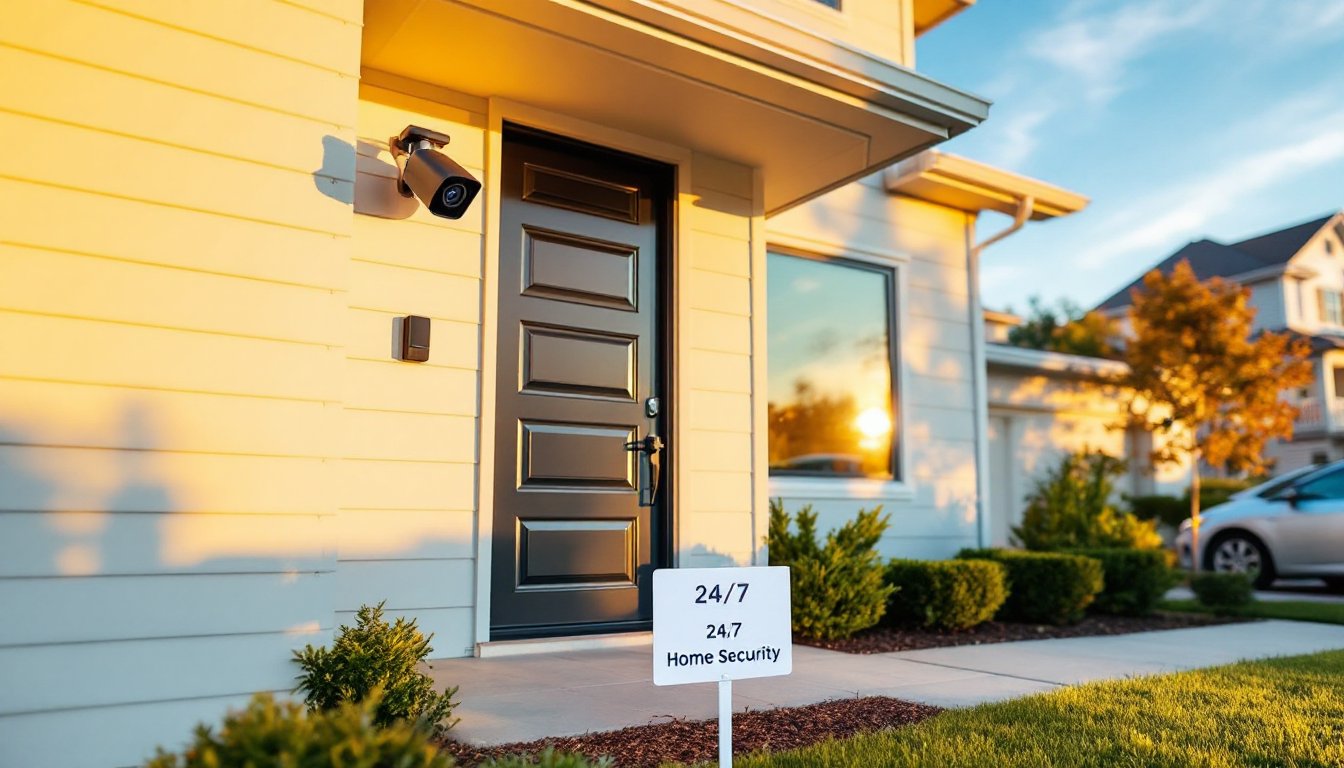
Frontpoint packages typically include a control panel (touchscreen with built-in cellular radio), door/window sensors, motion detectors, and a yard sign plus window decals. You can add glass break sensors, smoke/CO detectors, flood sensors, and indoor/outdoor cameras during checkout or later through your account portal.
The sensors are wireless and battery-powered (mostly CR123A or AA lithium cells), with battery life averaging 3-5 years depending on usage. The system sends low-battery alerts through the mobile app, usually a month before they die. Door/window sensors are compact, about the size of a AA battery, and use a two-piece magnetic design. When the magnet separates from the sensor body, the circuit breaks and triggers the alarm.
Motion detectors use passive infrared (PIR) technology and have a 30-foot range with a 90-degree field of view. They’re pet-immune up to 40 pounds, so most dogs and cats won’t trip them if the sensor’s mounted at the recommended height (around 6-7 feet). For homes with larger pets, you’ll want to adjust placement or skip motion detection in certain zones.
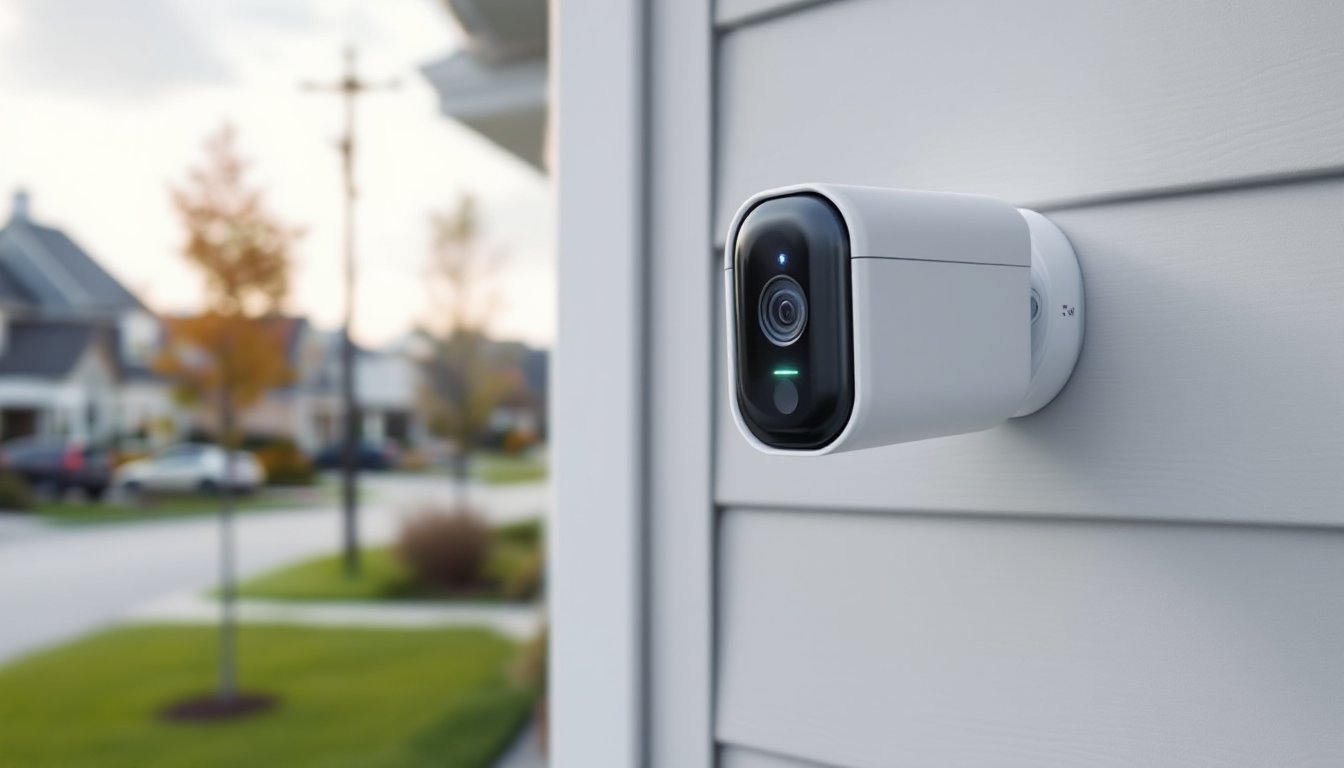
Cameras are sourced from partners like ADT (Frontpoint rebrands them). The outdoor camera offers 1080p HD video, night vision, and a 140-degree field of view. Video is stored in the cloud for 30 days on higher-tier plans. The doorbell camera integrates motion alerts and two-way audio, but requires existing doorbell wiring (16-24V AC transformer), it’s not a battery model.
Smart Home Integration and Automation
Frontpoint works with Amazon Alexa, Google Assistant, and Z-Wave Plus devices. You can arm/disarm the system with voice commands, though you’ll need to set a spoken PIN for disarming to prevent unauthorized access. Z-Wave support unlocks control of door locks, lights, thermostats, and garage door openers directly from the Frontpoint app or panel.
The Qolsys IQ Panel 4 supports over 100 Z-Wave devices and includes a built-in 7-inch touchscreen with scene automation. For example, you can create a “Goodnight” scene that locks the front door, dims the lights, lowers the thermostat, and arms the system, all triggered by a single tap or voice command. Many smart home device reviews highlight similar integration capabilities as a key factor in choosing a security system.
One limitation: Frontpoint doesn’t natively integrate with Apple HomeKit, so iPhone users relying on HomeKit automation will need workarounds like Home Assistant or third-party bridges.
Installation Process: How Easy Is It Really?
Frontpoint ships a pre-configured system based on the floor plan and entry points you sketch during online ordering. Sensors arrive labeled by room (“Front Door,” “Kitchen Window”), which cuts down on guesswork.
The control panel needs to sit near the center of the home, within 100 feet of the farthest sensor (walls and metal ducts reduce range). It plugs into a standard 120V outlet and has a 24-hour backup battery. Mounting it on drywall is optional, many users just set it on a shelf or console table.
Door and window sensors install in minutes: peel the adhesive, press the sensor onto the door frame, and stick the magnet to the door within 1 inch of the sensor. The app walks you through testing each sensor by opening and closing the door. If the panel beeps and shows “Open,” you’re good.
Motion detectors should mount in corners facing the room, avoiding direct sunlight or HVAC vents (heat sources can cause false triggers). Use the included mounting bracket and two screws, or rely on adhesive if you’re renting and can’t drill. The panel automatically detects new sensors when you power them on, though you’ll need to name them in the app.
Total install time for a 10-sensor system averages 30-45 minutes for someone comfortable with basic tech. If you’re adding cameras, expect another 15-20 minutes per camera for mounting and Wi-Fi pairing. The outdoor camera requires a weatherproof junction box and access to an outlet or low-voltage wiring, which might mean drilling through an exterior wall, doable for most DIYers, but check local building codes if you’re running new outdoor wiring.
Safety note: If installing outdoor cameras on a two-story home, use a stabilized ladder with a spotter. Drilling into vinyl siding or stucco requires a masonry bit and caulk to seal penetrations.
Pricing, Plans, and What to Expect
Frontpoint’s equipment costs run $300-$600 for a starter package, depending on the number of sensors and whether you add cameras. That’s higher than off-the-shelf SimpliSafe kits but competitive with professionally installed systems when you factor in labor.
Monitoring plans start at $49.99/month for the Basic plan (cellular backup, 24/7 monitoring, mobile app access). The mid-tier plan adds video storage, smart home control, and Z-Wave automation for around $54.99/month. The top-tier Ultimate plan includes unlimited video recording and advanced automation for $59.99/month. All plans require a 12-month contract initially, then go month-to-month.
There’s no upfront activation fee, and shipping is free. Frontpoint occasionally runs promotions with discounted equipment or free cameras, worth checking before you order. Financing options split equipment costs into monthly payments if you’d rather avoid a lump sum.
Compared to ADT or Vivint, Frontpoint’s DIY model saves hundreds in installation fees. But if you’re comfortable with self-monitoring and don’t want a recurring bill, systems like SimpliSafe or Wyze offer cheaper alternatives, just without the crash protection or UL-certified monitoring redundancy. For homeowners who want home security camera comparisons that detail self-monitored versus professional options, external reviews can clarify those trade-offs.
One cost caveat: if you move, Frontpoint lets you take the system with you (it’s all wireless). You’ll just re-install sensors at the new address and update the monitoring profile. No transfer fees, which is a plus for renters or frequent movers.
Performance and Monitoring: Is Frontpoint Reliable?
In real-world use, Frontpoint’s cellular connection proves more stable than Wi-Fi-only systems. The panel uses AT&T or Verizon LTE (depending on your region), so even if your router crashes or an intruder cuts your internet line, the alarm still reaches the monitoring center. Dual-path monitoring (cellular + broadband) on higher plans adds redundancy.
Response times are solid. When a sensor trips, the panel sounds a 30-second entry delay (customizable) before transmitting the alarm. If you don’t disarm it, the monitoring center receives the alert and calls your primary contact within 30-45 seconds. If there’s no answer or you confirm an emergency, they dispatch local authorities. False alarm fees vary by jurisdiction, some cities charge $50-$100 per false dispatch after the first one or two per year, so test your system and train household members on the disarm code.
The mobile app (iOS and Android) offers live status updates, arming/disarming, camera feeds, and activity logs. Push notifications are immediate, door opens, motion detected, alarm triggered. The app also supports geofencing, which can auto-arm the system when everyone leaves and disarm when you return (requires location permissions and a consistent phone signal).
Camera performance is adequate but not cutting-edge. The 1080p resolution handles well in daylight: night vision works up to 25 feet but can look grainy in low light. Motion detection occasionally triggers on tree shadows or passing cars, though you can adjust sensitivity zones in the app. Two-way audio has a slight delay, typical of cloud-based systems. Independent home automation guides often note similar latency in Wi-Fi cameras across brands.
Frontpoint’s equipment warranty covers three years on most sensors and panels. If a device fails, they ship a replacement at no cost (assuming you’re under active monitoring). Battery replacements are the user’s responsibility, but CR123A and AA lithium cells are cheap and widely available.
Conclusion
Frontpoint delivers what it promises: a genuinely DIY-friendly security system with professional-grade monitoring and solid smart home integration. The wireless sensors install fast, the app is intuitive, and the cellular backup keeps things running even if your Wi-Fi tanks. The mandatory monitoring isn’t for everyone, if you want self-monitoring or à la carte service, look elsewhere. But for homeowners who value reliable dispatch, crash protection, and the flexibility to move the system later, Frontpoint earns its place on the shortlist.