Table of Contents
ToggleWorking from home sounds great until the couch starts calling, the kitchen becomes a snack station, and productivity takes a nosedive. The right home office tips can transform any space into a focused, efficient work environment. Whether someone works remotely full-time or just needs a dedicated spot for side projects, creating a productive workspace matters more than ever.
A well-designed home office boosts focus, reduces stress, and helps maintain work-life balance. This guide covers everything from choosing the perfect location to staying organized. These practical home office tips will help anyone build a workspace that actually works.
Key Takeaways
- Choose a quiet, well-lit location with minimal distractions to set the foundation for a productive home office.
- Invest in ergonomic furniture like a quality chair and properly positioned monitor to prevent pain and boost long-term productivity.
- Layer natural and artificial lighting while using noise-canceling headphones and website blockers to minimize distractions.
- Establish consistent work hours and boundaries with household members to maintain work-life balance and prevent burnout.
- Keep your workspace organized with daily resets and intentional item placement to promote clear thinking and faster task completion.
Choose the Right Location for Your Home Office
Location sets the foundation for a productive home office. The ideal spot offers quiet, privacy, and enough space to work comfortably.
A spare bedroom works best for most people. It provides a door that closes, crucial for focus and video calls. But not everyone has that luxury. A corner of the living room or a converted closet can work just as well with the right setup.
Here’s what to consider when picking a spot:
- Noise levels: Avoid high-traffic areas like kitchens or living rooms if possible
- Natural light: Windows reduce eye strain and boost mood
- Power outlets: Ensure easy access for computers, monitors, and chargers
- Internet connection: Test WiFi strength in different areas of the home
One of the most overlooked home office tips involves proximity to distractions. Placing a desk near the TV or gaming console invites trouble. Physical distance from temptation helps maintain focus throughout the day.
If space is tight, think vertically. Wall-mounted desks and floating shelves save floor space while still providing a dedicated work area.
Invest in Ergonomic Furniture and Equipment
Cheap furniture leads to back pain, neck strain, and decreased productivity. Investing in ergonomic equipment pays dividends in comfort and health.
A quality office chair should support the lower back, allow feet to rest flat on the floor, and have adjustable armrests. The Herman Miller Aeron and Steelcase Leap remain industry favorites, but budget-friendly options from brands like Autonomous and Branch deliver solid ergonomics at lower price points.
Desk height matters just as much. When seated, elbows should form a 90-degree angle with the keyboard. Standing desks offer flexibility and reduce the health risks of sitting all day. Adjustable sit-stand desks let users switch positions throughout the workday.
These home office tips for equipment make a real difference:
- Monitor position: Screen should sit at eye level, about an arm’s length away
- External keyboard and mouse: Essential for laptop users to maintain proper posture
- Footrest: Helps shorter individuals maintain proper leg positioning
- Wrist rest: Prevents strain during long typing sessions
Skimping on furniture seems smart short-term but costs more in healthcare bills and lost productivity later.
Optimize Lighting and Reduce Distractions
Poor lighting causes headaches, eye fatigue, and decreased focus. Good lighting does the opposite.
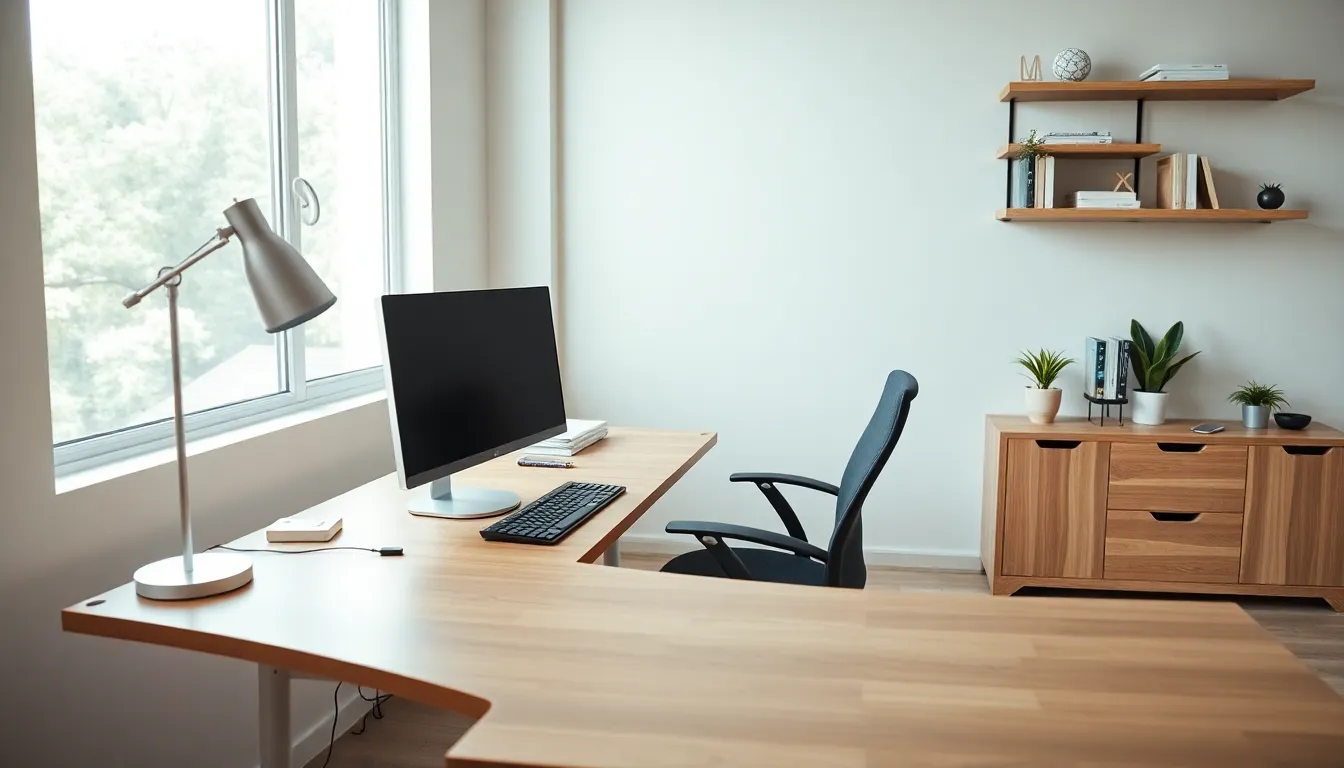
Natural light remains the gold standard. Position desks perpendicular to windows to avoid glare on screens while still benefiting from daylight. For those without window access, full-spectrum LED bulbs mimic natural light and reduce eye strain.
Layered lighting works best for home offices. Combine ambient overhead lighting with task lighting like a desk lamp. This setup provides flexibility for different activities, bright light for reading documents, softer light for video calls.
Distractions kill productivity faster than bad lighting. These home office tips help minimize interruptions:
- Use noise-canceling headphones to block household sounds
- Install website blockers like Freedom or Cold Turkey during work hours
- Put phones in another room or use focus modes
- Communicate boundaries with family members or roommates
Some people find background noise helpful. Apps like Noisli or websites like Coffitivity provide ambient sounds that boost concentration without becoming distracting.
Establish a Daily Routine and Boundaries
Without a commute, work and personal life blur together. A solid routine creates structure and prevents burnout.
Successful remote workers start and end work at consistent times. They shower, get dressed, and prepare for the day as if heading to an office. This mental shift signals the brain that it’s time to focus.
These home office tips help establish healthy boundaries:
- Create a fake commute: A morning walk or drive around the block transitions the mind into work mode
- Schedule breaks: The Pomodoro Technique, 25 minutes of work followed by 5-minute breaks, keeps energy levels steady
- Set a hard stop time: Close the laptop and leave the home office at a designated hour
- Use separate devices or profiles: Keep work apps off personal phones when possible
Boundaries extend to other household members too. A closed door or “do not disturb” sign during work hours communicates availability without constant explanations.
Taking lunch away from the desk sounds simple but makes a huge difference. Eating in another room provides a mental reset and prevents the workspace from feeling suffocating.
Keep Your Workspace Organized and Clutter-Free
Clutter creates mental noise. A clean workspace promotes clear thinking and faster task completion.
The one-touch rule helps maintain order: handle each item only once. File that paper immediately instead of adding it to a pile. Put away supplies after using them.
Effective home office tips for organization include:
- Use vertical storage: Shelves and wall organizers keep surfaces clear
- Carry out a filing system: Both digital and physical documents need homes
- Cable management: Velcro ties and cable trays eliminate tangled messes
- Daily reset: Spend five minutes at end of day returning everything to its place
Digital clutter deserves attention too. A messy desktop with hundreds of files slows computers and minds alike. Regular file organization and inbox management keep digital workspaces functional.
Minimalism helps but isn’t mandatory. Some people thrive with plants, photos, and personal items nearby. The key is intentionality, every item in the workspace should serve a purpose or bring joy.