Table of Contents
ToggleHome security vs. home automation, these terms often get tossed around like they mean the same thing. They don’t. While both technologies can make a house smarter and safer, they serve different purposes and solve different problems. Home security focuses on protection. Home automation focuses on convenience. Understanding these distinctions helps homeowners make better decisions about which systems actually fit their needs and budget. This guide breaks down what each system does, how they differ, and whether combining them makes sense for modern households.
Key Takeaways
- Home security focuses on protection through sensors, cameras, and monitoring, while home automation prioritizes convenience and energy efficiency.
- The core difference in home security vs. home automation is response capability—security systems alert authorities, automation systems simply notify you.
- Home security often includes monthly monitoring fees ($10–$50), while home automation typically requires higher upfront device costs without ongoing fees.
- Choose home security if protection is your priority, especially in high-crime areas or homes with vulnerable family members.
- Combining home security with home automation creates a powerful integrated system that offers both safety and smart convenience.
- Major providers like ADT, Vivint, SimpliSafe, and Ring now offer combined systems where security and automation work seamlessly together.
What Is Home Security?
Home security refers to systems and devices designed to protect a property from threats like break-ins, fires, and carbon monoxide leaks. These systems detect danger and alert homeowners or monitoring services when something goes wrong.
A typical home security setup includes:
- Door and window sensors that detect unauthorized entry
- Motion detectors that identify movement inside or outside the home
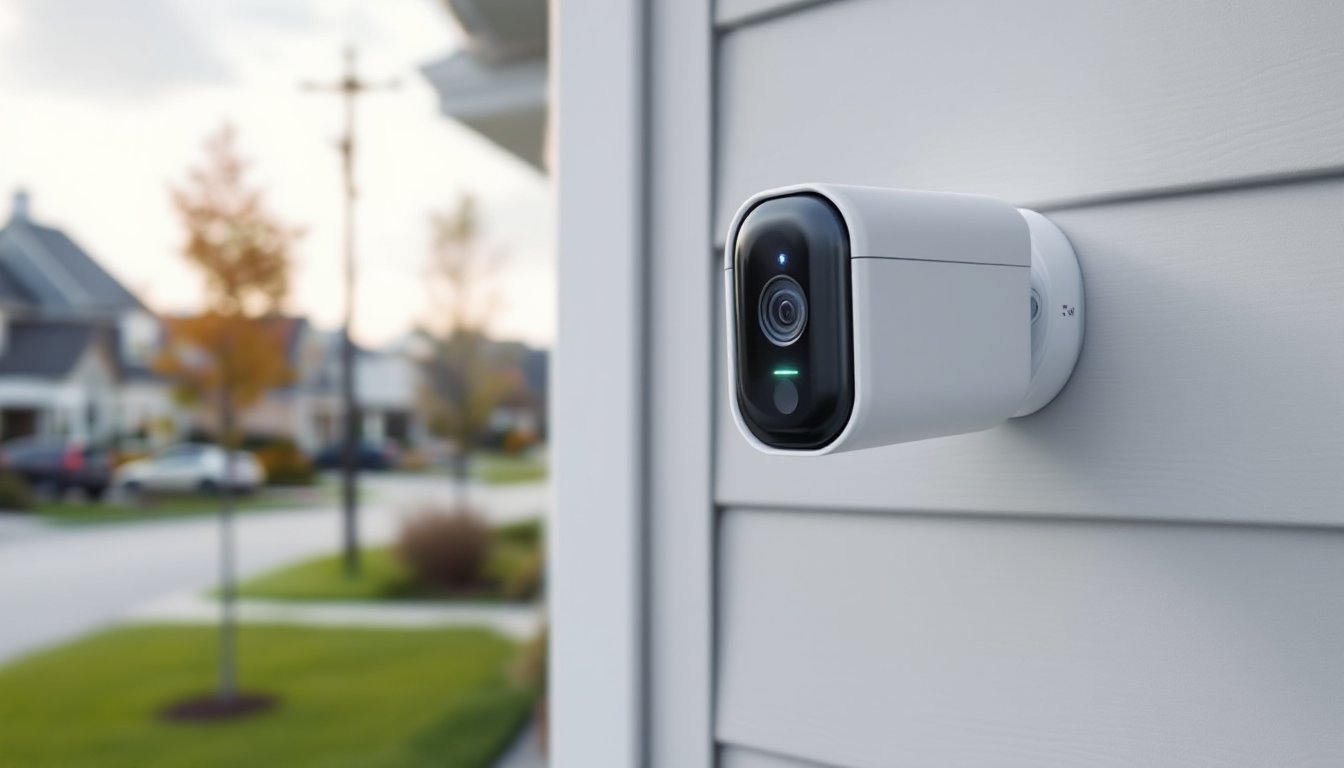
- Security cameras for video surveillance and recording
- Glass break sensors that respond to the sound of shattered windows
- Smoke and CO detectors for fire and gas protection
- 24/7 professional monitoring that dispatches emergency services
The primary goal of home security is safety. When a sensor triggers, the system responds, sounding an alarm, sending a notification, or contacting authorities. Some systems offer self-monitoring through smartphone apps, while others connect to professional monitoring centers that watch around the clock.
Home security systems have evolved significantly. Modern setups often include wireless components, cellular backup connections, and cloud-based video storage. But, at their core, these systems remain focused on one thing: keeping people and property safe from harm.
What Is Home Automation?
Home automation refers to technology that controls household devices automatically or remotely. It’s about convenience, energy efficiency, and simplifying daily routines, not necessarily about safety.
Common home automation features include:
- Smart thermostats that learn schedules and adjust temperatures
- Smart lighting that turns on and off based on time or presence
- Smart locks that allow keyless entry and remote access
- Voice assistants like Alexa or Google Home that control connected devices
- Automated blinds and shades that adjust based on sunlight
- Smart plugs that let users control any device remotely
Home automation creates a connected ecosystem where devices communicate with each other. A homeowner can set the lights to dim at sunset, have the thermostat lower at bedtime, and lock the doors automatically at 10 PM, all without lifting a finger.
The key distinction? Home automation makes life easier. It doesn’t actively protect against threats. A smart lock is convenient, but it won’t alert anyone if someone kicks down the door. A smart camera might record footage, but without security integration, it won’t trigger an alarm or notify emergency services.
Core Differences Between Home Security and Home Automation
The home security vs. home automation debate comes down to purpose, features, and response capabilities. Here’s how they compare:
Purpose and Focus
Home security exists to protect. Every component serves the goal of detecting threats and responding to emergencies. Home automation exists to simplify. Its components focus on comfort, convenience, and energy savings.
Monitoring and Response
Home security systems often include professional monitoring services. When an alarm triggers, trained operators verify the threat and contact police, fire departments, or medical services. Home automation systems typically don’t offer this feature. They might send notifications, but they don’t coordinate emergency responses.
Device Types
Security devices detect danger: intrusion sensors, smoke detectors, panic buttons, and surveillance cameras with alert capabilities. Automation devices control environments: thermostats, lighting systems, entertainment hubs, and appliance controllers.
Cost Structure
Home security often involves monthly monitoring fees ranging from $10 to $50 depending on the service level. Home automation usually requires higher upfront costs for devices but may not carry ongoing fees unless cloud storage or premium features are needed.
Integration Capabilities
Modern home security systems increasingly include automation features. Many home automation platforms can incorporate security devices. The lines blur, but the core functions remain distinct.
Which Option Is Right for Your Home?
Choosing between home security and home automation depends on priorities, lifestyle, and budget.
Choose home security if:
- Protection is the primary concern
- The home is in a high-crime area
- The household includes vulnerable individuals (elderly, children, people with medical conditions)
- Travel or extended absences are common
- Professional monitoring and emergency response matter
Choose home automation if:
- Convenience and energy efficiency take priority
- The home already feels safe
- Budget constraints limit options
- Tech integration and smart home features appeal more than security features
- DIY control without monthly fees sounds better
Some homeowners don’t need both systems right away. A renter in a secure building might benefit more from automation features. A family in a standalone house might prioritize security first.
The home security vs. home automation question isn’t always either/or. But understanding what each system actually delivers helps avoid buying features that don’t match real needs.
Combining Both Systems for Complete Protection
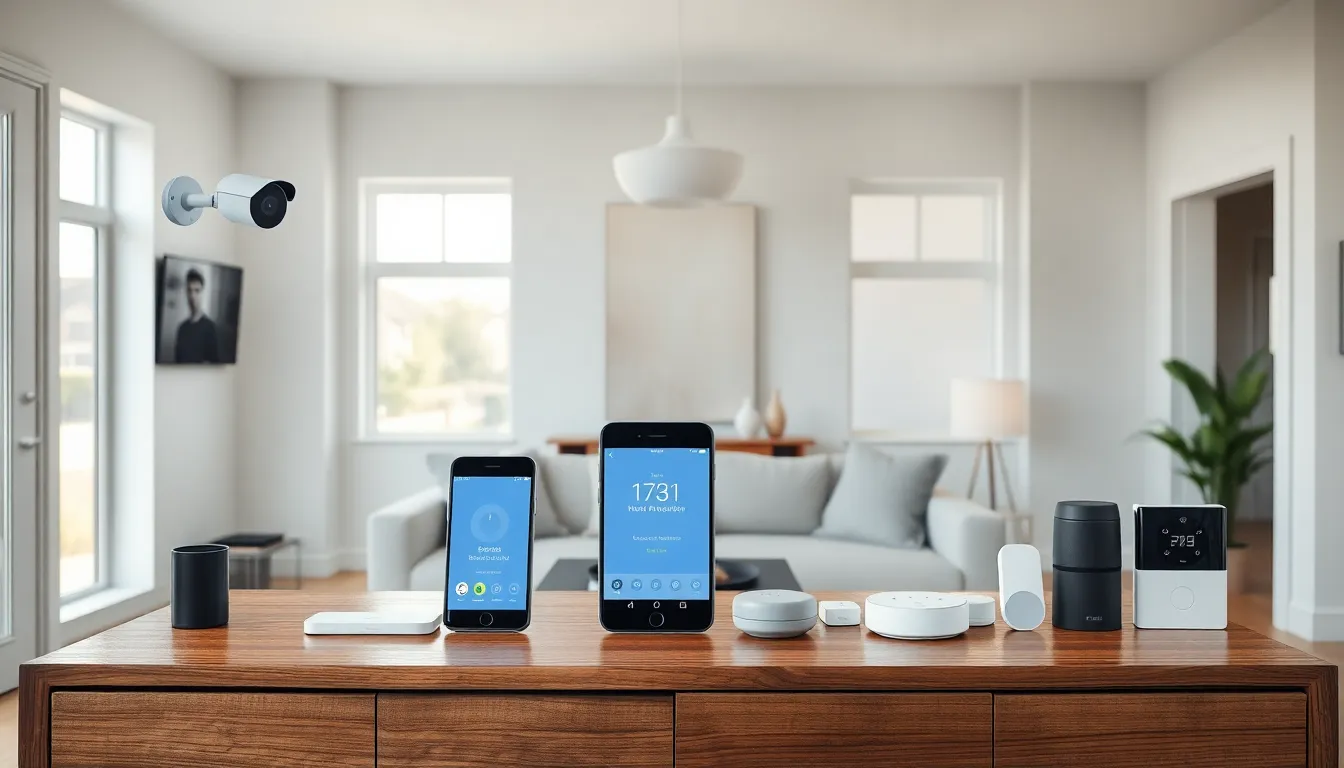
The most effective approach often combines home security with home automation into a single integrated system. This gives homeowners protection and convenience without managing separate platforms.
Integrated systems allow powerful automations:
- Security mode activation that locks all doors, closes garage doors, and arms the alarm when leaving
- Motion-triggered lighting that turns on lights when outdoor cameras detect movement
- Thermostat adjustments that change settings when the security system arms or disarms
- Smart lock notifications that alert when doors unlock during unusual hours
- Geofencing that automatically arms security when smartphones leave a defined area
Many major home security providers now offer automation features as part of their packages. Companies like ADT, Vivint, SimpliSafe, and Ring provide systems where security and automation work together seamlessly.
When evaluating combined systems, consider:
- Compatibility with existing smart devices
- App functionality for controlling everything from one interface
- Monitoring options including self-monitoring and professional services
- Scalability for adding devices over time
- Contract terms and cancellation policies
A combined approach solves the home security vs. home automation debate by delivering both. The initial investment may be higher, but the long-term value often justifies the cost.