Table of Contents
ToggleA well-designed living room sets the tone for an entire home. This living rooms guide covers the essential elements homeowners need to create a functional, stylish space. From layout decisions to furniture selection, color schemes to storage solutions, these practical tips help transform any living room into a comfortable gathering place. Whether starting from scratch or refreshing an existing space, the right approach makes all the difference.
Key Takeaways
- Start your living room design by assessing room dimensions, natural light, and traffic flow before purchasing any furniture.
- Follow the 60-30-10 rule for color schemes: 60% dominant wall color, 30% secondary furniture tones, and 10% accent colors.
- Layer your lighting with ambient, task, and accent sources, and add dimmer switches for flexible atmosphere control.
- Choose multi-functional furniture like storage ottomans and coffee tables with drawers to reduce clutter in your living room.
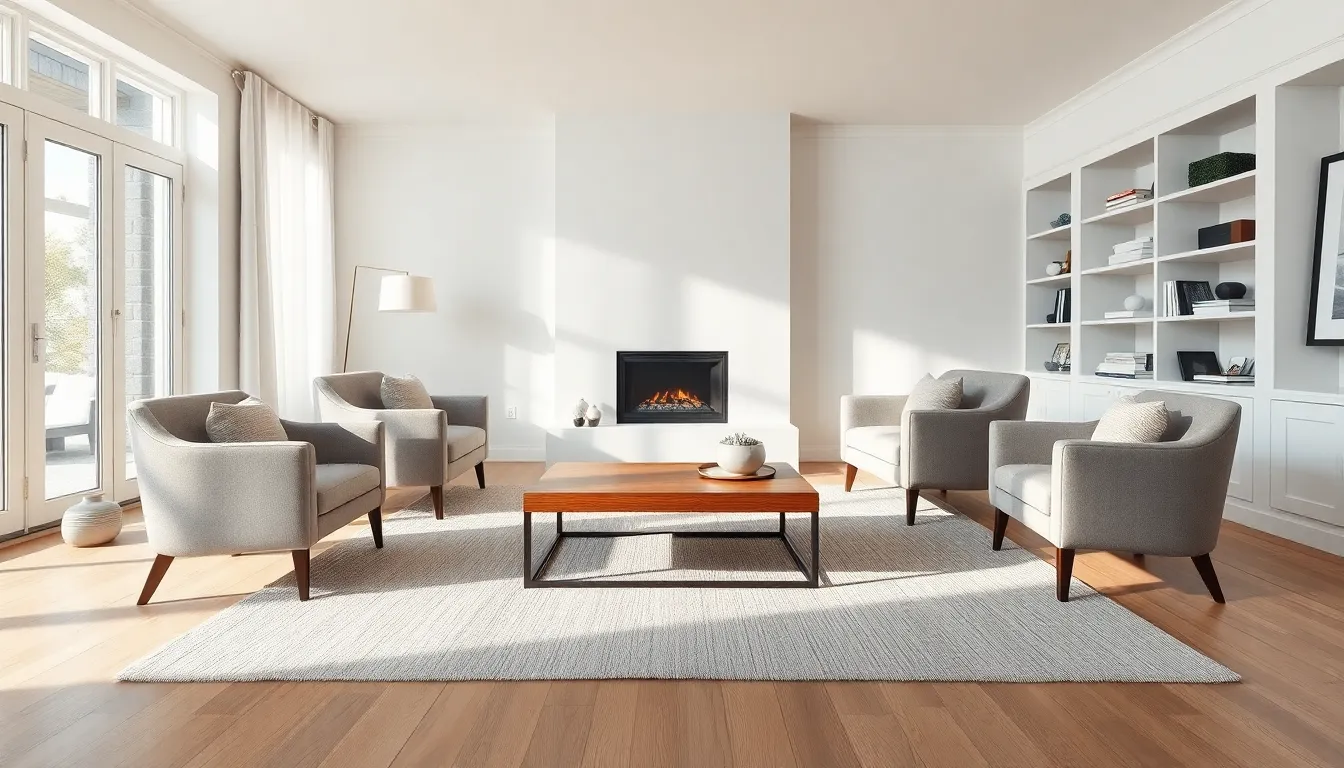
- Anchor your seating arrangement around a focal point such as a fireplace, large window, or statement art piece.
- Select an area rug large enough for the front legs of all seating pieces to rest on it, creating a cohesive furniture grouping.
Choosing the Right Layout for Your Space
The layout serves as the foundation of any living room design. Before purchasing furniture or selecting paint colors, homeowners should assess their room’s dimensions, natural light sources, and traffic patterns.
Assess the Room’s Shape and Size
Square rooms work well with symmetrical furniture arrangements. A sofa facing two chairs with a coffee table in between creates balance. Long, rectangular rooms benefit from dividing the space into zones, perhaps a seating area at one end and a reading nook at the other.
Small living rooms require creative thinking. Floating furniture away from walls can actually make tight spaces feel larger. This living rooms guide recommends measuring doorways and pathways before buying anything. A 36-inch clearance between furniture pieces allows comfortable movement.
Identify Your Focal Point
Every living room needs a focal point. Fireplaces naturally draw the eye and anchor seating arrangements. Rooms without fireplaces can use a large window, entertainment center, or statement art piece instead. Arrange the main seating to face this focal point directly.
Consider Traffic Flow
People should move through the space without bumping into furniture corners. The best layouts create clear pathways from doorways to seating areas. L-shaped sectionals work well in open-concept homes because they define the living room boundary while allowing easy access.
Essential Furniture Pieces Every Living Room Needs
A living rooms guide wouldn’t be complete without discussing furniture basics. The right pieces balance comfort, function, and style.
The Sofa
The sofa typically represents the largest furniture investment in any living room. It should fit the space proportionally, oversized sectionals overwhelm small rooms, while apartment-sized sofas look lost in grand spaces. Neutral upholstery colors offer flexibility for future decor changes. Performance fabrics resist stains and wear, making them practical choices for households with children or pets.
Seating Variety
Accent chairs add visual interest and extra seating without the bulk of another sofa. They also provide opportunities to introduce pattern or color. Ottomans serve double duty as footrests and additional seating during gatherings.
Tables
A coffee table anchors the seating arrangement. It should sit approximately 18 inches from the sofa edge for easy reach. End tables hold lamps, drinks, and books. Nesting tables offer flexibility, they tuck away when not needed and expand for entertaining.
Media Console or Entertainment Center
Most living rooms include a television. A media console at the appropriate height prevents neck strain. Wall-mounted TVs save floor space and create a clean look. This living rooms guide suggests measuring screen size against viewing distance, a 55-inch TV works best when viewers sit 7 to 11 feet away.
Selecting a Color Scheme and Lighting
Color and lighting transform a living room’s atmosphere. These elements work together to create warmth, energy, or calm.
Building a Color Palette
Start with a base color for walls, neutrals like warm whites, soft grays, or beiges remain popular because they complement most furniture styles. This living rooms guide recommends the 60-30-10 rule: 60% dominant color (walls), 30% secondary color (furniture, rugs), and 10% accent color (pillows, art, accessories).
Bold accent walls create drama without overwhelming the space. Deep blues, forest greens, and terracotta tones currently trend in living room design. Test paint samples on the wall and observe them at different times of day before committing.
Layered Lighting
Good lighting requires layers. Ambient lighting provides overall illumination, ceiling fixtures, recessed lights, or chandeliers handle this task. Task lighting serves specific functions like reading: floor lamps and table lamps work well. Accent lighting highlights architectural features or art.
Dimmer switches add flexibility. They allow the same room to feel bright and energetic during daytime gatherings, then soft and cozy for evening relaxation. Natural light matters too, sheer curtains filter harsh sunlight while maintaining brightness.
Storage Solutions and Decor Ideas
Clutter destroys even the best-designed living rooms. Smart storage solutions keep spaces organized while decor adds personality.
Built-In and Freestanding Storage
Built-in shelving maximizes vertical space and provides display areas for books, photos, and decorative objects. Freestanding bookcases offer similar benefits with easier installation. Cabinets with doors hide less attractive items like board games, blankets, and electronics.
This living rooms guide emphasizes multi-functional furniture. Storage ottomans hide magazines and throws. Coffee tables with shelves or drawers keep remote controls accessible but out of sight. Console tables behind sofas add surface space and concealed storage.
Decorating with Purpose
Every decorative piece should contribute to the room’s overall feel. A large area rug anchors furniture groupings and adds warmth. Choose a rug large enough for the front legs of all seating pieces to rest on it.
Throw pillows and blankets introduce texture and color. Mix patterns at different scales, a large geometric print pairs well with a smaller floral. Limit pillows to a practical number: too many look cluttered and make seating uncomfortable.
Art and mirrors complete the space. Hang artwork at eye level, typically 57 to 60 inches from the floor to the center. Large mirrors bounce light and make rooms feel bigger. Group smaller pieces together rather than scattering them across walls.