Table of Contents
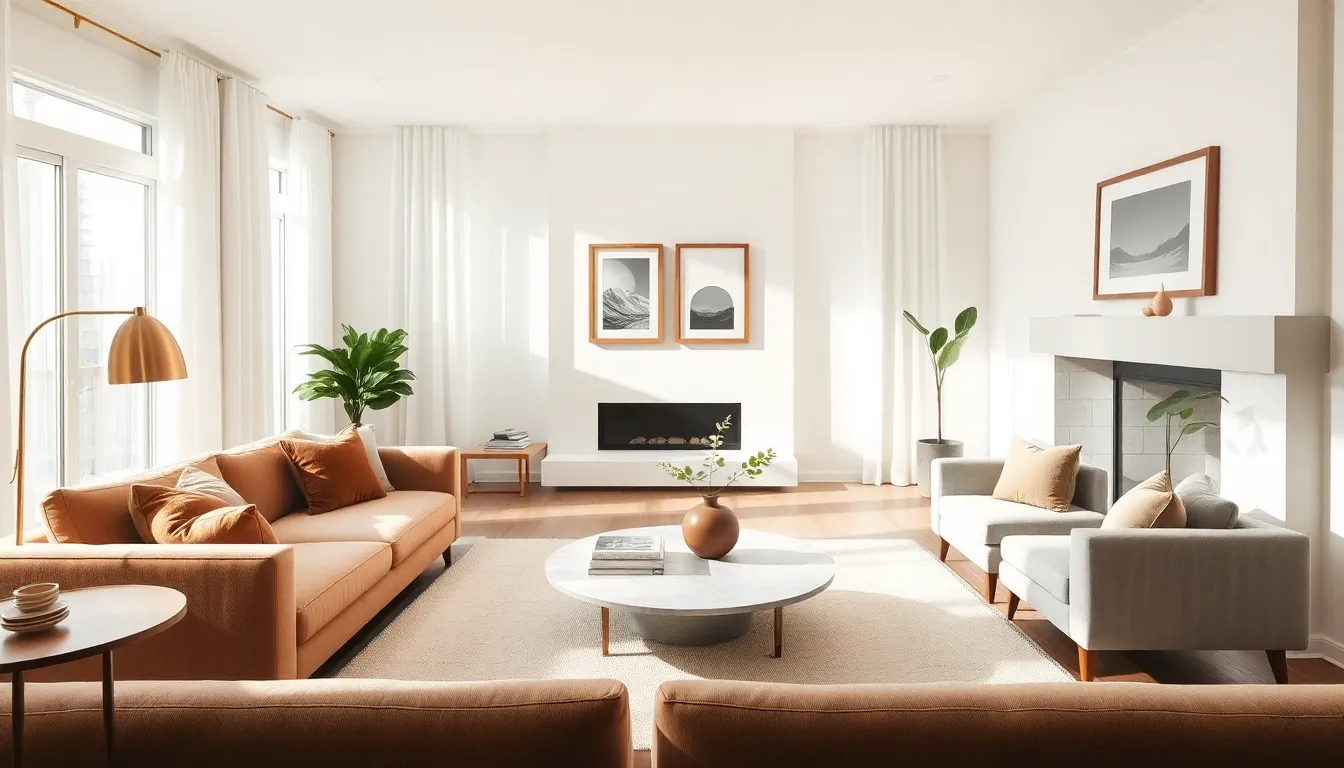
ToggleFresh living room ideas can turn an ordinary space into the heart of your home. Whether you’re starting from scratch or refreshing what you already have, the right choices in color, furniture, and lighting make all the difference. A well-designed living room balances comfort with style, and it doesn’t require a massive budget or a professional designer to get there. This guide covers practical living room ideas that work for spaces of all sizes. From picking colors that set the right mood to arranging furniture for better flow, these tips offer clear direction for anyone ready to upgrade their space.
Key Takeaways
- Fresh living room ideas start with choosing a color palette that sets the mood—warm tones create coziness while cool shades make spaces feel open and calm.
- Arrange furniture to promote flow by placing the sofa facing the focal point and keeping walkways at least 30 inches wide.
- Layer three types of lighting—ambient, task, and accent—to transform your living room from flat to dynamic.
- Mix soft and hard textures like velvet pillows, wooden trays, and metal frames to add depth and visual interest.
- For small living rooms, use proportional furniture, light colors, and multifunctional pieces like storage ottomans to maximize space.
- Add personality with decorative accents grouped in odd numbers, eye-level wall art, and plants that bring life and improved air quality.
Choosing a Color Palette That Sets the Mood
Color shapes how a living room feels the moment someone walks in. Warm tones like terracotta, mustard, and soft coral create a cozy, inviting atmosphere. Cool shades, think soft blues, sage greens, and lavender, bring calm and make a room feel more open.
Start by picking one dominant color for the walls. Neutral options like off-white, beige, or light gray give flexibility for bolder accent pieces. From there, choose two or three supporting colors for furniture, pillows, and artwork.
A few living room ideas for cohesive color schemes:
- Monochromatic approach: Stick to variations of one color. A room with cream walls, tan furniture, and brown accents feels unified and sophisticated.
- Complementary pairs: Opposite colors on the color wheel, like blue and orange, add energy without clashing.
- Earth tones: Combine greens, browns, and warm whites for a grounded, nature-inspired look.
Don’t forget the ceiling. Painting it a shade lighter than the walls creates height. And if you’re feeling bold, a deep accent wall behind the sofa can anchor the whole room.
Furniture Arrangement for Flow and Function
Great living room ideas always consider how people move through the space. Furniture placement affects traffic flow, conversation, and even how large the room appears.
Start with the largest piece, usually the sofa. Place it facing the room’s focal point, whether that’s a fireplace, TV, or a window with a view. Avoid pushing all furniture against the walls. Pulling pieces a few inches into the room actually makes the space feel bigger and more intentional.
Create conversation zones. Chairs should face the sofa or angle toward it. A coffee table or ottoman in the center gives the grouping purpose and makes the seating area functional.
Here’s what works:
- Leave at least 18 inches between the coffee table and sofa for comfortable legroom.
- Keep main walkways at least 30 inches wide so people can move freely.
- Anchor the seating area with a rug large enough for all front furniture legs to rest on it.
For open-concept homes, furniture can define boundaries. A sofa with its back to the dining area signals where the living room begins. Bookshelves or console tables also work as subtle room dividers.
Function matters too. Think about how the room gets used. If it’s a space for family movie nights, seating should face the screen. If conversation is the priority, arrange furniture in a circular or U-shaped layout.
Layering Lighting for Ambiance
Lighting transforms a living room from flat to dynamic. The best living room ideas incorporate three types of lighting: ambient, task, and accent.
Ambient lighting provides overall illumination. This usually comes from ceiling fixtures, recessed lights, or a central chandelier. It sets the base level of brightness for the room.
Task lighting serves specific purposes. A reading lamp beside an armchair or a desk lamp near a work area falls into this category. These lights should be adjustable and positioned to reduce glare.
Accent lighting adds drama. Picture lights over artwork, LED strips behind a TV console, or uplights in corners draw attention to features you want to highlight.
Dimmers are a simple upgrade that makes a big difference. They let you adjust the mood from bright and energetic during the day to soft and relaxed in the evening.
Natural light deserves attention too. Sheer curtains filter harsh sunlight while keeping the room bright. Mirrors placed across from windows bounce light deeper into the space.
A well-lit living room has light sources at multiple heights, floor lamps, table lamps, and overhead fixtures all working together.
Adding Texture and Decorative Accents
Texture gives a living room depth and interest. Without it, even beautiful furniture can look flat. The goal is to mix materials so the eye has something to discover.
Soft textures, velvet pillows, knit throws, shag rugs, invite touch and make a room feel warm. Hard textures, metal frames, glass tables, wood shelving, add structure and contrast.
Living room ideas that balance texture well:
- Pair a leather sofa with linen curtains and a woven basket for visual variety.
- Mix smooth ceramic vases with rough wooden trays on a coffee table.
- Layer a flat-weave rug under a plush area rug for dimension.
Decorative accents bring personality. Books, plants, candles, and collected objects tell a story. Group items in odd numbers, three vases or five small frames, for arrangements that look intentional but not stiff.
Wall art anchors blank spaces. One large piece makes a statement: a gallery wall adds eclectic charm. Hang art at eye level, about 57 inches from the floor to the center of the piece.
Plants deserve special mention. A fiddle leaf fig in the corner or trailing pothos on a shelf brings life and color. They also improve air quality, which is a nice bonus.
Making the Most of Small Living Rooms
Small living rooms need smart strategies. The right living room ideas can make a compact space feel open and functional.
Scale matters. Choose furniture proportional to the room. A massive sectional overwhelms a tiny space, but a loveseat or apartment-sized sofa fits better. Armless chairs and transparent furniture, like acrylic coffee tables, reduce visual bulk.
Vertical space is often underused. Tall bookshelves draw the eye upward and provide storage without eating floor space. Floating shelves do the same while keeping the floor clear.
Multifunctional furniture solves storage problems:
- Ottomans with hidden compartments hold blankets and remotes.
- Nesting tables tuck away when not needed.
- Wall-mounted TV consoles free up floor area.
Light colors expand a room visually. White or pale walls reflect light and create an airy feel. Mirrors amplify this effect, a large mirror on one wall can nearly double the perceived space.
Keep surfaces clear. Clutter makes small rooms feel cramped fast. Edit regularly and find homes for items that tend to pile up.
Finally, limit patterns. One or two subtle patterns on pillows or a rug add interest without overwhelming a small living room.