Table of Contents
ToggleChurches face unique security challenges. They’re open to the public during services and events, house valuable equipment and historical artifacts, and unfortunately, they’re increasingly targeted for vandalism, theft, and worse. A well-planned security camera system isn’t about turning a welcoming space into a fortress, it’s about protecting the congregation, staff, and property while maintaining the open, inviting atmosphere that defines a church. This guide walks through everything from selecting the right cameras to navigating privacy laws, helping church leadership make informed decisions about surveillance systems that actually work.
Key Takeaways
- A church security camera system protects congregations and property while maintaining a welcoming atmosphere by deterring crime, resolving disputes, and monitoring multiple entry points safely.
- Prioritize camera resolution (1080p minimum, 4K for critical areas), night vision with 60-100 feet IR range, and wide dynamic range to handle challenging church lighting conditions like stained glass windows.
- Start with strategic placement at main entrances and parking lots, then expand interior coverage to lobbies and hallways—focus on quality cameras in key areas rather than quantity covering every space.
- Budget-conscious churches can install effective 4-camera systems for $400-$800 using PoE kits, DIY installation with volunteers, or cloud storage options that eliminate upfront NVR costs.
- Maintain legal compliance by recording only areas with no reasonable expectation of privacy, posting surveillance signage, limiting staff access with individual logins, and establishing a written footage retention policy of 30 days or less.
Why Churches Need Security Camera Systems
The statistics are sobering. According to FBI data, religious properties experience thousands of reported incidents annually, ranging from break-ins during off-hours to active threats during services. Churches often operate with unlocked doors, minimal staff, and large, unsupervised areas, making them soft targets.
Beyond theft and vandalism, cameras serve multiple practical purposes. They help resolve disputes about accidents on church property, monitor parking lots for congregation safety, and provide documentation if insurance claims arise. Many churches have dealt with false injury claims that cameras quickly disproved, saving thousands in legal fees.
Cameras also deter behavior issues. Visible cameras in lobbies, hallways, and parking areas discourage opportunistic crime. Staff can monitor multiple entry points from a central location, especially helpful for large campuses with multiple buildings or wings. During services, security teams can watch for concerning behavior without being physically present in every space.
For churches with schools, daycares, or youth programs, cameras add accountability and transparency. They protect both children and staff from false accusations while documenting any actual incidents that require intervention. Most states have specific regulations about cameras in childcare settings, worth researching before installation.
Key Features to Look for in a Church Security Camera System
Resolution matters more than camera count. A church doesn’t need a camera in every corner, but the cameras it has should record at 1080p minimum, preferably 4K for areas where facial recognition might matter (main entrances, cash handling areas). Lower resolution means grainy footage that won’t help identify suspects.
Night vision is non-negotiable. Many incidents happen after dark when buildings are empty. Look for cameras with infrared (IR) LEDs rated for at least 60-100 feet of night visibility. Parking lots need even longer range.
Wide dynamic range (WDR) handles tricky lighting conditions common in churches, bright stained glass windows next to dim hallways, or lobby doors that flood with sunlight. Without WDR, you’ll get washed-out or shadowy footage exactly when you need clarity.
Storage capacity determines how long footage remains accessible. Many churches reviewing home security camera comparisons find that cloud storage with 30-day retention works well for most scenarios, though local network video recorders (NVR) with hard drives offer more control. A 2TB drive handles roughly 2-4 weeks of continuous recording from 8-12 cameras at 1080p, depending on compression.
Remote viewing lets pastors, security coordinators, or facilities managers check cameras from smartphones or computers. This is critical for churches that don’t have full-time staff on-site. Look for systems with dedicated apps that support multi-camera viewing and push notifications for motion detection.
Motion detection with customizable zones reduces false alerts from tree branches or passing cars while flagging actual movement in sensitive areas. Better systems use AI to distinguish between people, vehicles, and animals, cutting down on notification fatigue.
Indoor vs. Outdoor Camera Placement
Indoor cameras need wide-angle lenses (90-120 degrees) to cover lobbies, hallways, and multipurpose rooms without blind spots. Mount them in corners at 8-10 feet to avoid tampering while capturing face-level footage. Skip bathrooms and private counseling rooms, both for legal reasons and to maintain trust.
Outdoor cameras face harsher conditions. Look for IP66 or IP67 weatherproof ratings to handle rain, snow, and temperature swings. Metal housings last longer than plastic in direct sun. Position cameras to cover all entry points, main doors, side entrances, emergency exits, plus parking lots and donation drop boxes.
Vandal-resistant domes work well for outdoor cameras within reach. They’re harder to spray-paint or knock off-angle than bullet-style cameras. For high-risk areas, consider cameras with impact-resistant (IK10) ratings.
Avoid placing cameras where they’ll point directly into sunrise or sunset, even WDR struggles with that. If unavoidable, consider cameras with polarizing filters or adjust mounting angles to minimize glare.
Best Types of Security Cameras for Churches
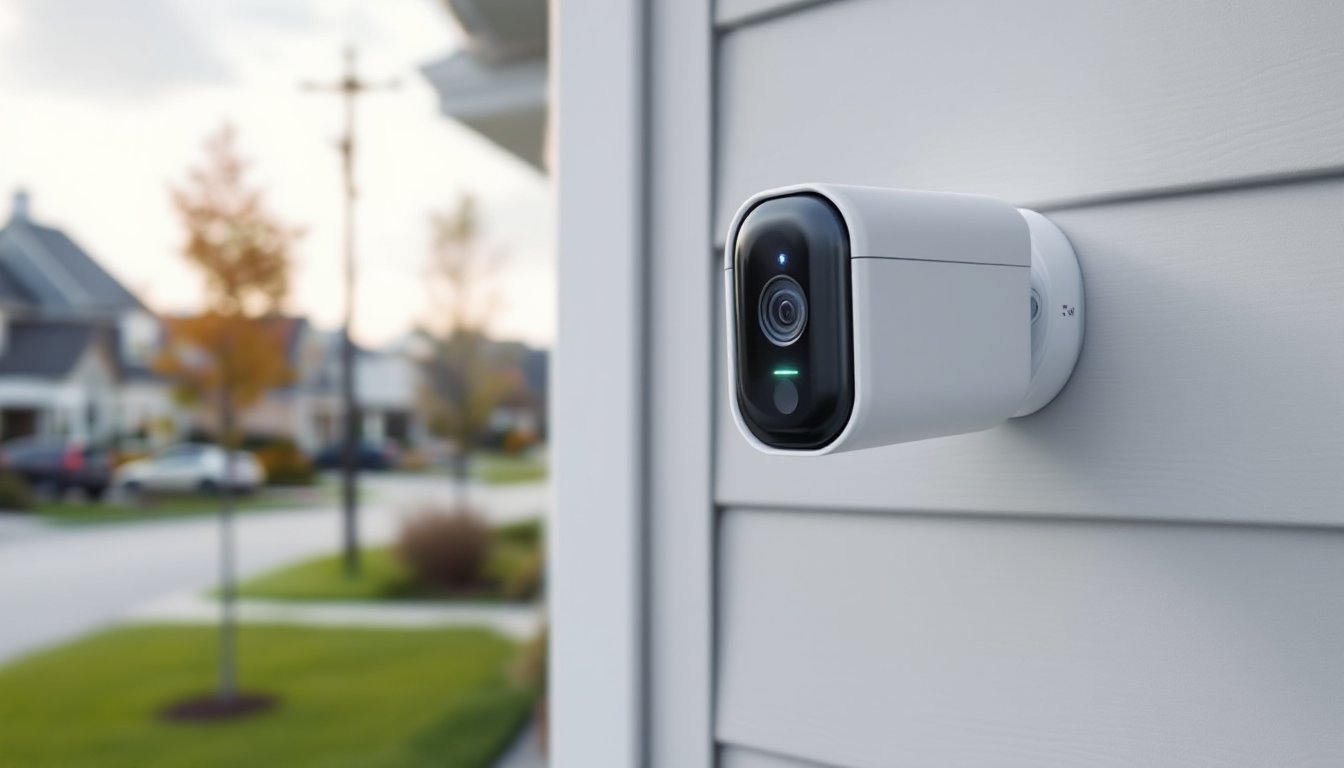
Bullet cameras are the workhorses for outdoor perimeter coverage. Their cylindrical shape houses larger lenses for long-range viewing, ideal for parking lots or monitoring distant property lines. They’re obvious, which adds deterrent value, but their fixed position means you’ll need more cameras to cover the same area as a PTZ.
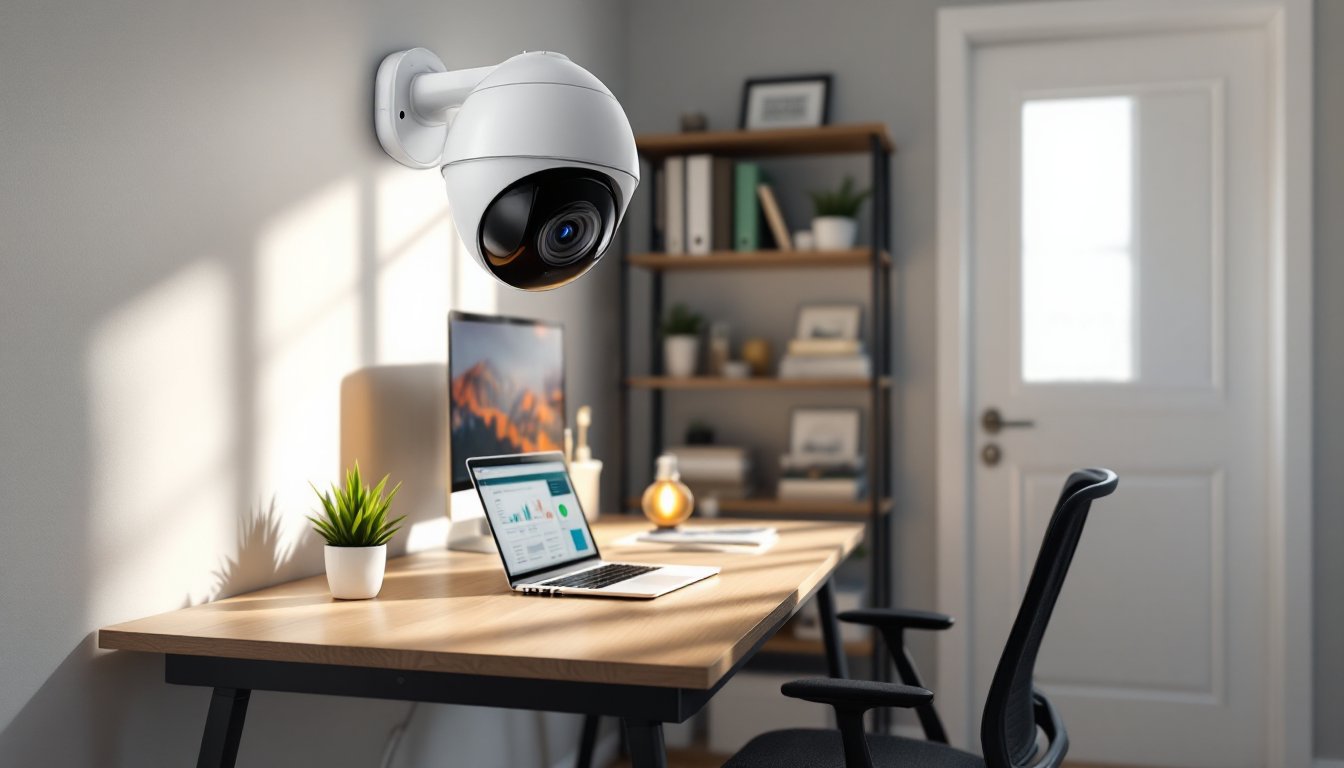
Dome cameras blend better in indoor environments, less institutional-looking than bullets. The tinted dome makes it less obvious which direction the camera points, and vandal-resistant models can take a beating. Use these in lobbies, hallways, and fellowship halls.
PTZ (pan-tilt-zoom) cameras let operators or automation sweep large areas and zoom in on activity. A single PTZ in a sanctuary can monitor the entire space during services or track suspicious movement in off-hours. They’re pricier, $300-$800 per camera, but one PTZ can replace three fixed cameras in open spaces. The trade-off: if it’s zoomed in on one area, it’s not recording the rest.
Fisheye cameras use ultra-wide lenses (180-360 degrees) to cover entire rooms from a central ceiling mount. Software “de-warps” the circular image into usable footage. They work well in nurseries, classrooms, or fellowship halls where wall space is limited. Fisheyes require more processing power and aren’t great for fine detail, but they eliminate blind spots.
For budget-conscious churches, reliable smart home technology has made wireless IP cameras more viable. They connect via Wi-Fi rather than Ethernet cables, cutting installation costs significantly. Drawbacks: wireless cameras are vulnerable to interference and signal loss, and they still need power, either batteries (high maintenance) or wired power (which defeats some of the convenience).
Wired PoE (Power over Ethernet) cameras remain the gold standard for reliability. One cable provides both power and data, systems handle 10+ cameras without Wi-Fi congestion, and there’s no battery anxiety. Installation requires running Cat5e or Cat6 cable, but the long-term reliability is worth it for permanent installations.
Installation Tips for Church Security Camera Systems
Start with a site map. Walk the property and mark every entrance, high-value area (offices with electronics, donation collection points), and vulnerable spots (secluded exits, equipment storage). Prioritize coverage rather than trying to monitor every square foot.
Height matters. Outdoor cameras should mount 9-12 feet high, high enough to prevent easy tampering but low enough to capture facial features. Indoor cameras at 8-10 feet work well. Going higher reduces detail: going lower invites vandalism.
Cable runs are the tedious part. For wired systems, you’ll need to fish Cat6 cable through walls, ceilings, or conduit. Churches with drop ceilings have it easier, cables run above tiles and drop down to camera locations. For buildings with plaster or drywall ceilings, expect to rent a fish tape or hire it out. Leave 3-5 feet of slack at each camera location for adjustments.
Use weatherproof conduit (PVC or metal) for any outdoor cable runs. Even “outdoor-rated” cable degrades faster when exposed to UV. Seal penetration points where cables enter buildings with silicone caulk to prevent water intrusion.
Power requirements: PoE cameras draw 4-15 watts each. An 8-port PoE switch rated for 120W total output handles most small systems. Make sure the switch and NVR live in a climate-controlled space, not a sweltering attic or damp basement.
When configuring the system, segment camera zones by area: parking lot, sanctuary, offices, children’s wing. This makes reviewing footage faster and helps with access control, not everyone needs to view every camera.
Test camera angles before permanent mounting. Use painter’s tape to temporarily position cameras and check the live view. Adjust until blind spots are minimized and key areas have clear coverage.
For large or complex installations, multi-building campuses, historic structures where running cable is complicated, this is where a professional installer earns their fee. Licensed low-voltage contractors know local codes and have tools (cable certifiers, long-reach drills) that make the job cleaner.
Budget-Friendly Security Camera Options for Small Churches
Small churches often operate on tight budgets, but effective security doesn’t require a $10,000 system. Here’s how to prioritize.
A 4-camera kit covering main entrances, the parking lot, and one interior common area costs $400-$800 for decent quality. Brands like Reolink, Amcrest, and Lorex offer PoE kits with NVR included, everything needed except the monitor. These aren’t professional-grade, but they’re reliable enough for basic documentation.
Focus on entry points first. If budget only allows two cameras, put one on the main entrance and one on the parking lot. Add interior cameras later as funds allow.
Cloud storage sounds expensive, but some services offer affordable tiers. A system recording motion-only clips to cloud storage at $5-10 per camera monthly eliminates the upfront NVR cost. Do the math, if your church only needs cameras for five years, cloud storage might actually cost less than buying and maintaining local storage.
Avoid the bottom-barrel options. $50 cameras from unfamiliar brands often lack firmware updates, have security vulnerabilities, or die within a year. Stick with brands that show up in professional reviews from sources like CNET and offer at least a one-year warranty.
DIY installation saves hundreds. If volunteers have basic electrical skills and patience for running cable, the labor cost disappears. YouTube has dozens of tutorials for running cable through walls and configuring NVRs, just don’t cut corners on weatherproofing or cable management.
Some churches partner with neighboring congregations to bulk-purchase equipment or share a professional installer’s trip fee, splitting costs across multiple sites.
Grant programs exist specifically for church security. The Department of Homeland Security’s Nonprofit Security Grant Program has funded camera systems for religious organizations, though competition is stiff and the application process requires documentation.
Legal and Privacy Considerations for Church Surveillance
Expectation of privacy is the key legal concept. Churches can record areas where people have no reasonable expectation of privacy, lobbies, hallways, parking lots, sanctuaries. They cannot legally record bathrooms, changing areas, or private counseling rooms. Violating this invites lawsuits and potential criminal charges.
Most states allow recording video without audio in public areas without consent. Audio recording has stricter rules, many states require two-party consent, meaning everyone being recorded must know and agree. Safest approach: skip audio recording entirely unless legal counsel confirms it’s allowed and necessary.
Signage matters. Post clear notices at entrances stating that video surveillance is in use. This satisfies legal disclosure requirements in most jurisdictions and reinforces the deterrent effect. Signs don’t need to be huge, a 4×6 inch placard at eye level near each entrance works.
Access control prevents misuse. Limit camera access to specific staff, typically senior pastors, security coordinators, and facilities managers. Use individual login credentials, not shared passwords, so there’s an audit trail of who viewed what footage.
Establish a written policy covering camera use, footage retention, and who can request recordings. This protects the church if disputes arise. The policy should specify that footage is reviewed only when investigating specific incidents, not for routine monitoring of staff or congregation behavior.
Retention limits balance security needs against storage costs and privacy concerns. 30 days is standard, long enough to discover and investigate incidents, short enough that you’re not hoarding years of footage. Some jurisdictions have specific retention requirements for religious organizations: check local laws.
If staff or volunteers will monitor live feeds, train them on appropriate use. Cameras are for security, not supervising employees or watching who talks to whom after services. Misuse erodes trust fast.
For churches with schools, FERPA (Family Educational Rights and Privacy Act) and state childcare regulations add layers of requirements. Consult an attorney familiar with educational facility security before installing cameras in those areas.
Never share footage publicly (social media, YouTube) without consulting legal counsel, even if it documents a crime. You could violate privacy rights of innocent bystanders or compromise criminal investigations.