Table of Contents
ToggleCox Homelife security cameras aren’t sold at a big-box store, they come bundled with Cox’s home automation service, which means professional installation and a monthly subscription. If you’re already a Cox internet customer considering an integrated security setup, their cameras might fit your ecosystem. But if you’re hunting for standalone devices or want to avoid long-term contracts, you’ll need to weigh the trade-offs carefully. This guide breaks down what Cox offers, how the cameras perform, installation requirements, pricing structure, and how they stack up against DIY alternatives in 2026.
Key Takeaways
- Cox security camera systems require professional installation and an active subscription to operate, with no standalone functionality or local storage fallback like Ring or Arlo.
- Standard Cox Homelife plans run $35–$45 monthly plus equipment costs ($150–$200 per camera), making the total 24-month cost around $1,000 for a two-camera setup, significantly higher than DIY alternatives.
- Cox cameras deliver 1080p HD video, 25-foot infrared night vision, and two-way audio integrated with smart home devices like locks and thermostats through a single app—ideal for existing Cox internet customers building a multi-device ecosystem.
- Cox security cameras lose all functionality if your internet goes down or you cancel your subscription, unlike DIY systems that continue working offline or with local storage options.
- Professional installation fees ($100–$200) and 24-month contracts with early termination penalties make Cox less flexible than plug-and-play alternatives for homeowners who move frequently or want provider flexibility.
What Are Cox Security Cameras and How Do They Work?
Cox security cameras are part of the Cox Homelife platform, a professionally monitored home automation and security service available to Cox Communications customers. Unlike standalone cameras you can buy and install yourself, Cox cameras require both professional installation and an active Homelife subscription to function.
The cameras connect to your home network via Wi-Fi and feed video to the Cox Homelife mobile app and web portal. All footage is stored in the cloud, there’s no local SD card or NVR option. The system integrates with door locks, thermostats, and motion sensors under the Homelife umbrella, allowing centralized control through a single app.
Cox uses equipment manufactured by third-party vendors, typically rebranded for their service. The cameras support 1080p HD video, night vision, two-way audio, and motion detection. When motion is detected, the system can send push notifications, trigger recording, and integrate with other Homelife devices (like turning on lights or sounding an alarm).
One critical point: if you cancel your Cox Homelife subscription, the cameras stop working. There’s no fallback mode or local recording. This is fundamentally different from brands like Ring or Arlo, where the hardware still functions without a subscription, even if cloud storage is lost.
Key Features of Cox Homelife Security Camera System
Cox Homelife cameras deliver solid mid-tier specs for 2026, though they don’t match the cutting edge found in top home security cameras from dedicated manufacturers. Here’s what you get:
Video Quality: 1080p resolution at 30 frames per second. No 2K or 4K options as of early 2026. The image quality is clear enough to identify faces at typical doorway or driveway distances, but don’t expect crisp zoom-in detail.
Night Vision: Infrared LEDs provide monochrome night vision up to about 25 feet. Some competing cameras now offer color night vision using spotlights or low-light sensors, which Cox doesn’t yet support.
Two-Way Audio: Built-in microphone and speaker let you communicate through the app. Audio quality is functional, expect some compression and slight delay, typical for Wi-Fi cameras.
Motion Detection Zones: You can define custom activity zones to reduce false alerts from passing cars or trees. Sensitivity is adjustable, though fine-tuning may take a few days of testing.
Smart Alerts: The system can differentiate between general motion and specific triggers (door/window sensors, glass break detectors) if you’ve added those Homelife devices. Person detection isn’t a standard feature on all Cox camera models.
Cloud Storage: Footage is stored for 30 days on most plans. You can’t download clips in bulk, individual downloads are available through the app.
Weather Resistance: Outdoor models are rated IP65, meaning they handle rain, dust, and temperature swings typical in most U.S. climates. Install them under eaves when possible to extend lifespan.
Indoor vs. Outdoor Cox Camera Options
Cox offers two primary camera types:
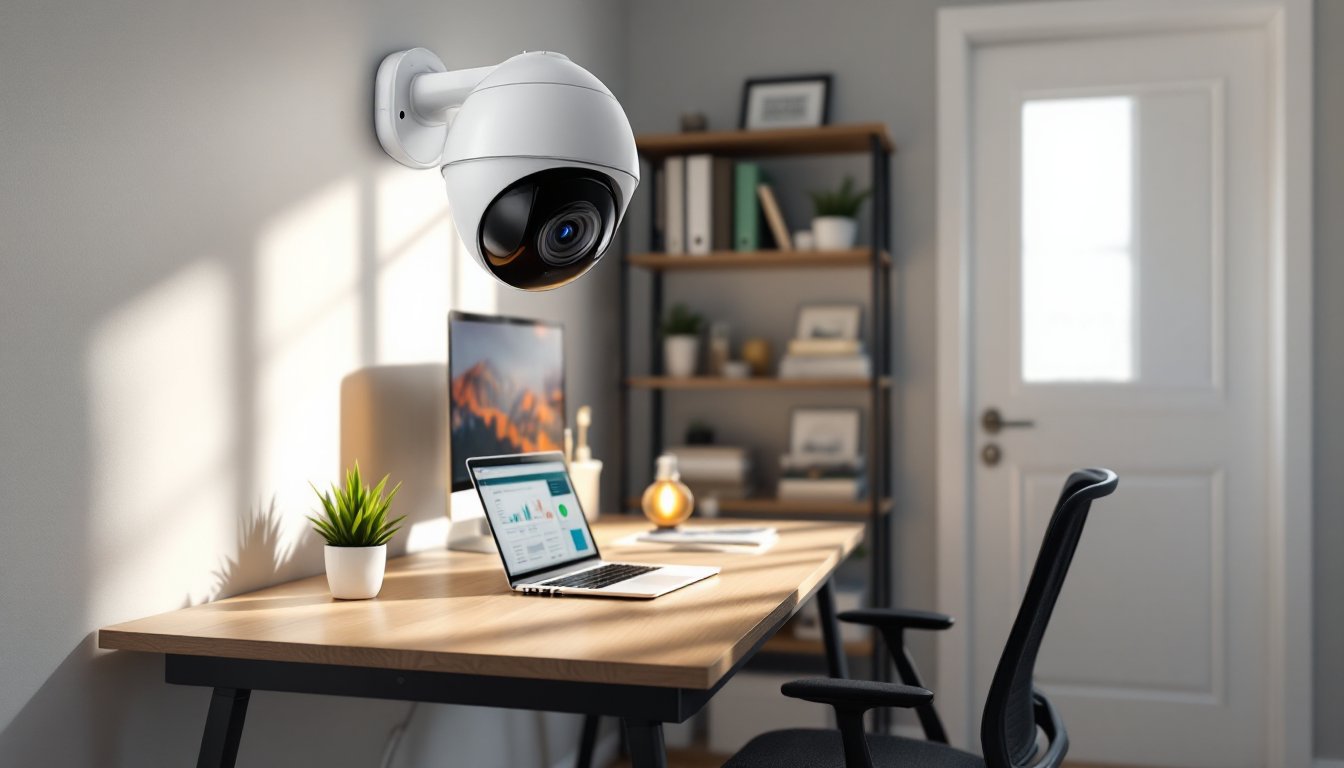
Indoor Cameras: Compact, plug-in units designed for tabletop or wall mounting. They lack weatherproofing and have a narrower field of view (around 110°). Best for monitoring entryways, hallways, or rooms where you want a fixed angle. Power is via standard AC adapter, no battery option.
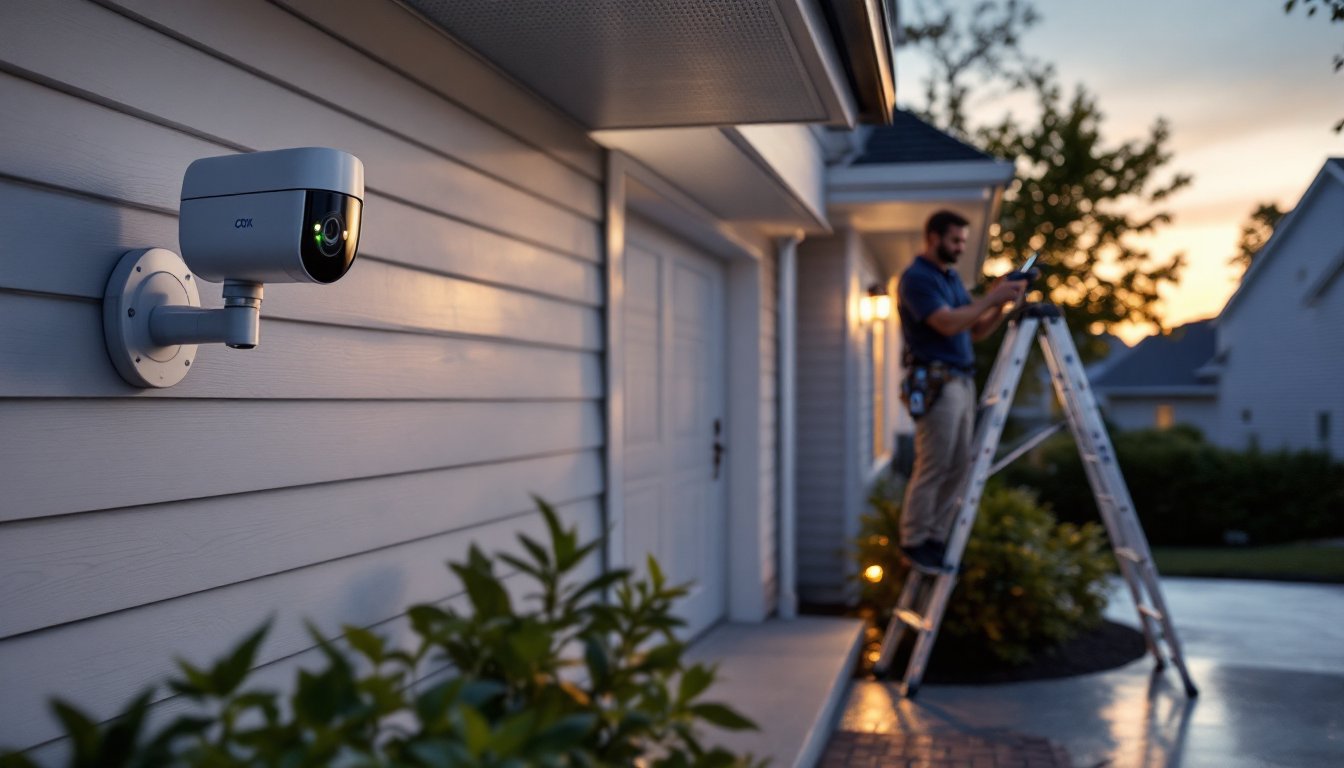
Outdoor Cameras: Weatherproof housings, wider 130° field of view, and IR night vision optimized for longer distances. They require wired power, so you’ll need an exterior outlet or run cable through an exterior wall. Cox’s professional installers handle the wiring and mounting, they’ll drill through siding if needed and seal penetrations properly.
Neither camera type supports local storage or works independently of the Homelife service. If your internet goes down, the cameras won’t record until connectivity is restored.
Installation Guide: Setting Up Your Cox Security Cameras
Cox requires professional installation for Homelife cameras, you can’t buy the equipment and install it yourself. Here’s what the process looks like:
-
Schedule Installation: After signing up for Cox Homelife, a technician visit is scheduled. Installation fees typically run $100–$200 depending on the number of devices and complexity.
-
Site Survey: The tech will assess camera placement, Wi-Fi signal strength, and power access. For outdoor cameras, they’ll identify mounting locations that maximize coverage while staying within cable reach of outlets or junction boxes.
-
Mounting and Wiring: Indoor cameras are usually placed on shelves or wall-mounted with included brackets. Outdoor cameras require drilling into exterior walls, the tech will use 1/2-inch to 3/4-inch holes for cable runs, then seal them with silicone caulk or weatherproof grommets. If you’re mounting to brick or stucco, expect masonry anchors.
-
Network Configuration: The cameras connect to your home Wi-Fi (2.4 GHz band is standard: some newer models support 5 GHz). The tech links them to your Homelife account and tests live streaming.
-
App Setup: You’ll download the Cox Homelife app (iOS/Android) and log in. The tech walks you through setting motion zones, notification preferences, and integration with other Homelife devices if applicable.
DIY Adjustments After Install: You can reposition indoor cameras on your own, they’re lightweight and plug-in. Outdoor cameras are harder to relocate because of wiring. If you want to move an outdoor camera post-install, contact Cox for a service call (usually an additional fee).
Safety Note: If the installation requires running cable through walls with existing electrical wiring, the tech should check for stud locations and avoid NEC violations like drilling through load-bearing headers without proper framing support. Reputable installers know local codes, but it’s worth asking if you’re in a jurisdiction with strict retrofit rules.
Pricing and Subscription Plans for Cox Security Cameras
Cox Homelife operates on a subscription model with tiered pricing based on features and equipment:
Basic Plan (Automation): Around $10–$15/month. Includes remote control of locks, lights, and thermostats, but no video storage or camera support. You can view live feeds, but nothing is recorded.
Standard Plan (Security): Typically $35–$45/month. Adds 30-day cloud video storage, motion alerts, and access to up to four cameras. This is the minimum tier for functional security cameras.
Premium Plan (Security + Automation): $50–$60/month. Combines full camera features with home automation and professional monitoring (if you add sensors and alarms). Supports more cameras and devices.
Equipment Costs: Cameras are usually $150–$200 each upfront, or you can lease them for a monthly fee (around $10/camera). Leasing makes sense if you plan to upgrade or move within a few years, purchased equipment stays with the account, not the house.
Installation Fee: Expect $100–$200 for the initial setup, covering up to three devices. Additional devices add $25–$50 each.
Contract Terms: Cox typically requires a 24-month commitment for Homelife. Early termination fees apply, often $10/month remaining on the contract.
Total Cost Example: Two outdoor cameras, Standard plan, 24-month contract:
- Equipment: $300–$400 (or $20/month lease)
- Monthly service: $40
- Installation: $150
- Year-one total: ~$1,000 (owned) or ~$860 (leased)
These figures vary by region and promotions. Cox bundles sometimes discount Homelife if you’re already paying for internet and TV.
No Subscription Alternative: Unlike many best home security cameras in 2026, Cox cameras don’t function without active service. If you want a system that works offline or stores locally, look elsewhere.
Cox Security Cameras vs. Alternatives: Which Is Right for Your Home?
Cox Homelife cameras make sense in specific scenarios, but they’re not the best fit for everyone. Here’s how they compare to DIY and competing professional systems:
Cox vs. DIY Cameras (Ring, Arlo, Wyze):
- Pros of Cox: Professional installation eliminates guesswork: single app controls cameras, locks, and sensors: integration with Cox internet support.
- Cons of Cox: Higher long-term cost: cameras are non-functional without subscription: limited hardware options: proprietary ecosystem locks you into Cox.
- DIY Advantage: Buy hardware outright (often cheaper), choose your own cloud storage plan (or use local SD cards), no contract, easy to relocate or sell.
Cox vs. ADT/Vivint:
- Similar Model: Both require professional installation and subscriptions. Vivint and ADT offer more advanced camera options (4K, AI detection, solar-powered models).
- Pricing: Cox is often slightly cheaper monthly, but ADT and Vivint provide broader third-party integrations (Google Home, Alexa) and better standalone monitoring packages.
Cox vs. Google Nest/Ring with Subscription:
- Flexibility: Nest and Ring cameras work without subscriptions (live view only, no cloud storage). Cox cameras don’t.
- Features: Nest offers better AI (familiar face recognition), Ring has tighter Amazon ecosystem ties. Cox’s advantage is bundling with existing Cox services.
When Cox Makes Sense:
- You’re already a Cox internet customer and want one bill for connectivity and security.
- You prefer professional installation and don’t want to troubleshoot mounting or network issues.
- You’re building a multi-device smart home (locks, sensors, thermostats) and value a single control app.
When to Skip Cox:
- You want flexibility to switch providers or cancel service without losing camera functionality.
- You’re comfortable with DIY installation and want to avoid contracts.
- You need cutting-edge features like 4K, local storage, or advanced AI detection.
For homeowners who value control and cost savings over convenience, alternatives in the 2026 security market offer more hardware variety and lower long-term expenses. Cox trades flexibility for integration, decide which matters more to your household.
Conclusion
Cox Homelife cameras deliver reliable, professionally installed security for customers already in the Cox ecosystem. The integration is convenient, the hardware is competent, and the monthly cost is predictable. But the lack of standalone functionality and proprietary lock-in are real drawbacks. If you’re comparing options, run the math on total cost over 24 months, factor in how often you move or switch providers, and decide whether professional installation is worth the premium. For some homeowners, it’s a solid fit. For others, a DIY system offers better long-term value and control.